Winterizing a Tri-Cities Home: Pipes, Hoses and Crawl Spaces
A fall checklist for the spots that freeze first in local houses.
RICHLAND · KENNEWICK · PASCO
Every hour water sits, more of the house has to be replaced. Ring (509) 410-6873 and a Tri-Cities restoration company takes it from here.
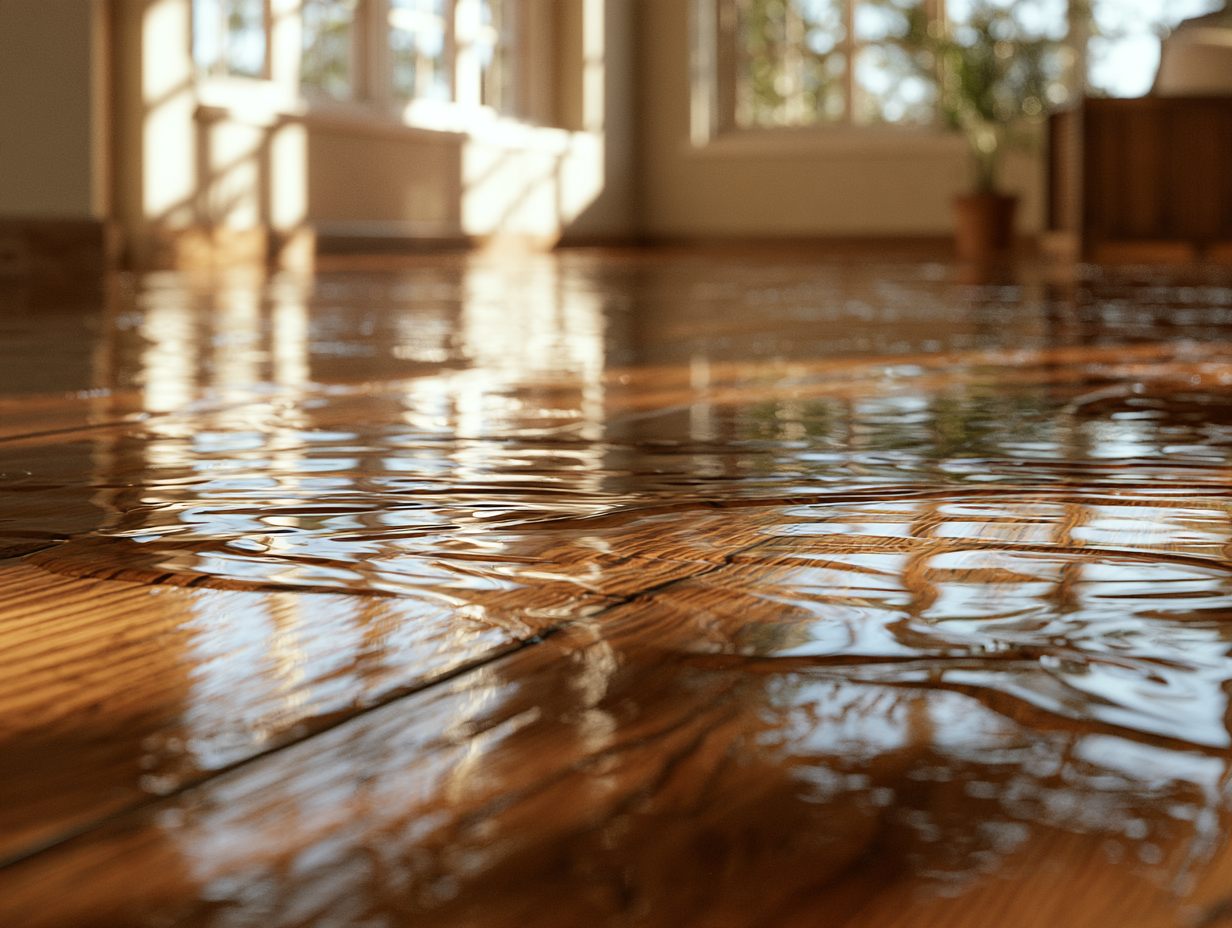
Standing water creeps under flooring and into the crawl space within hours. A restoration company can pump and extract it before it spreads further. Ring (509) 410-6873.
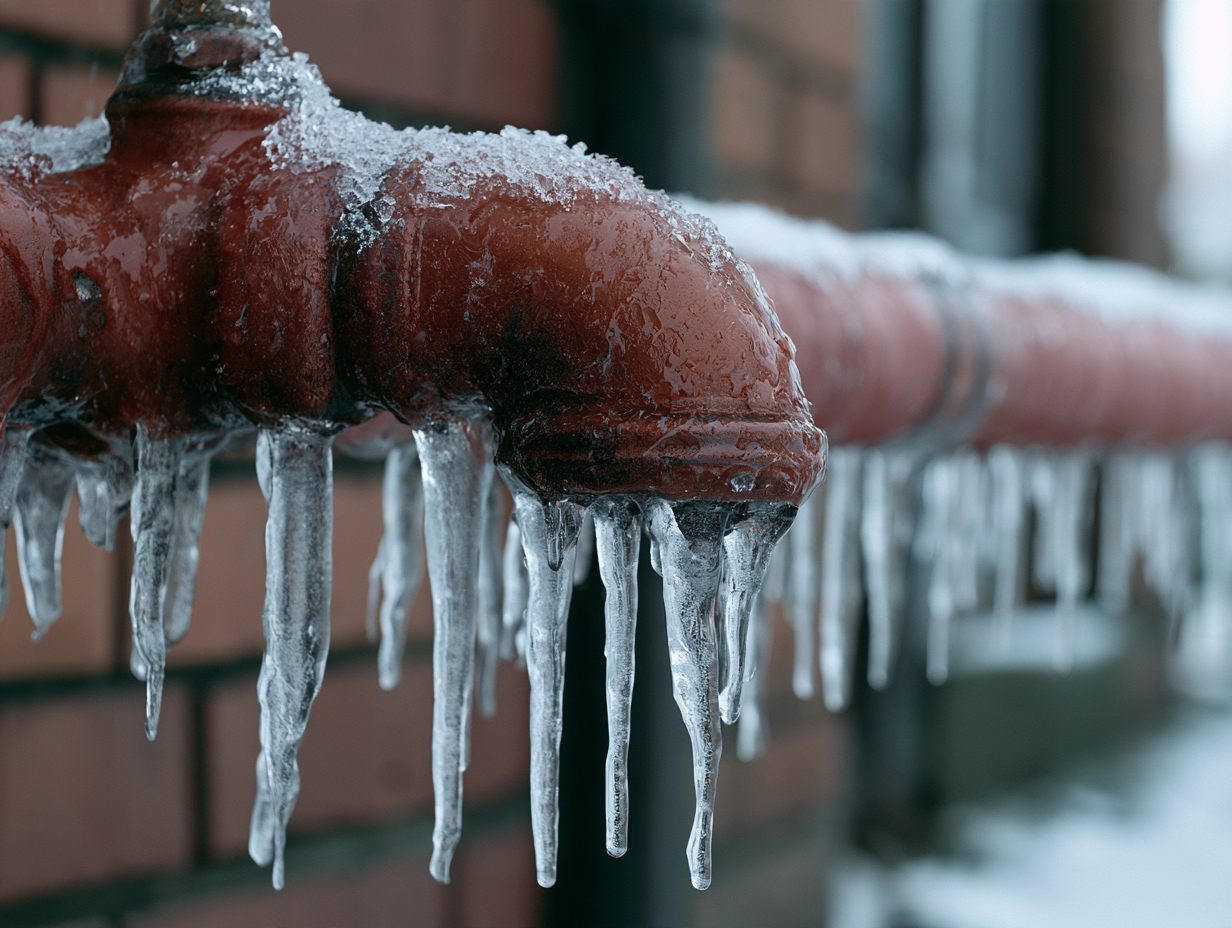
A burst line can put several gallons a minute into walls and floors, often where you can't see it. Get a restoration company out to find and dry it: (509) 410-6873.
A failed tank or hose soaks the floor, the cabinets and the room next door. The sooner the drying starts, the less gets torn out. Ring (509) 410-6873.
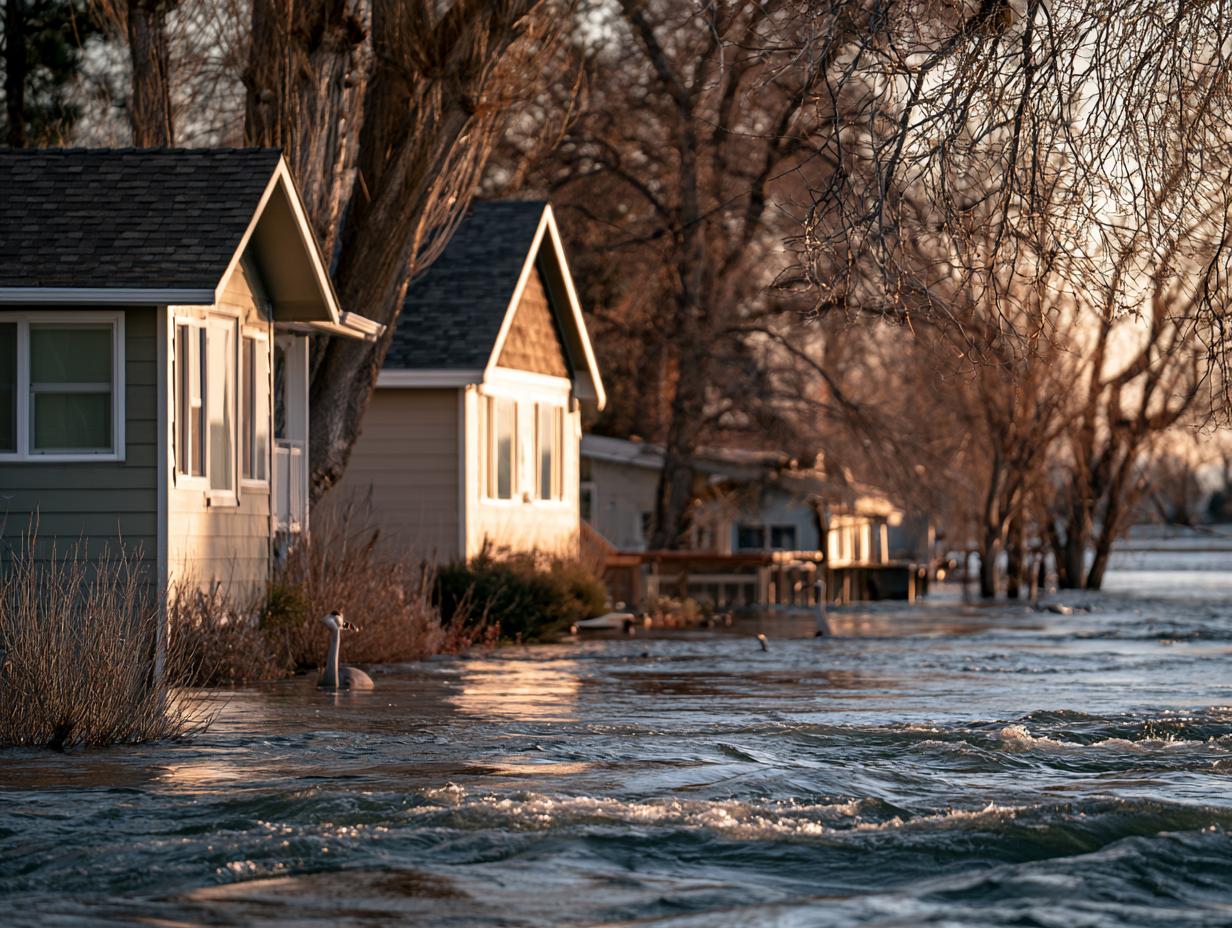
Floodwater is contaminated and needs professional cleanup and disinfecting, not a shop vac. Ring (509) 410-6873 once it's safe to go back in.
That usually means water has been sitting somewhere hidden. A restoration company's moisture meters find it before it turns into mold. Ring (509) 410-6873.
You don't need to know. Describe it on the phone and the restoration company will tell you what it is and what it needs: (509) 410-6873.
Ring (509) 410-6873 and get a Tri-Cities restoration company on it.
Call (509) 410-6873Richland averages only about 8 inches of rain a year, so most water damage here comes from plumbing rather than weather: pipes that freeze during cold snaps, water heaters that rust through, and supply hoses that split. River flooding along the lower Yakima is the main outdoor exception. Either way, the job is the same: remove the water, dry the structure, then repair.
That pattern has a catch. A leak inside a wall or under the floor can run for days before anything shows, and the dry air makes a wet room look fine long before the framing underneath has dried. The contractors who work these houses every winter know to check the crawl space and trust a moisture meter over their eyes.
When you ring (509) 410-6873, you describe what happened and get put through to a restoration company serving your part of the Tri-Cities. That company inspects the damage, explains the work and the price, and handles the job with you directly.
| Season | What tends to go wrong | Five-minute check |
|---|---|---|
| December to February | Frozen lines in crawl spaces, garages and outside walls; ice at the eaves after a rare snow | Faucet covers on, crawl-space vents closed in a deep freeze |
| March to May | Yakima River high water after warm rain on mountain snow; irrigation systems recharged with a leak | Watch the Kiona gauge; walk the yard after the first irrigation run |
| June to September | Swamp cooler and AC condensate drips; washing machines and dishwashers working overtime | Look at the ceiling under the cooler; check hoses behind appliances |
| October to November | Hoses left connected, heat tape that stopped working, gutters full of leaves | Disconnect hoses, test heat tape, clear gutters |
The full version, month by month: Tri-Cities water damage calendar.
Three things about Tri-Cities houses shape every water damage job here.
You talk to someone, explain where the water is and what caused it, and get put through to a water damage restoration company that works your area. There's no form and no callback request. The company sets the visit, the price and the scope with you; this site doesn't do the work or set prices. More detail on the How It Works page.
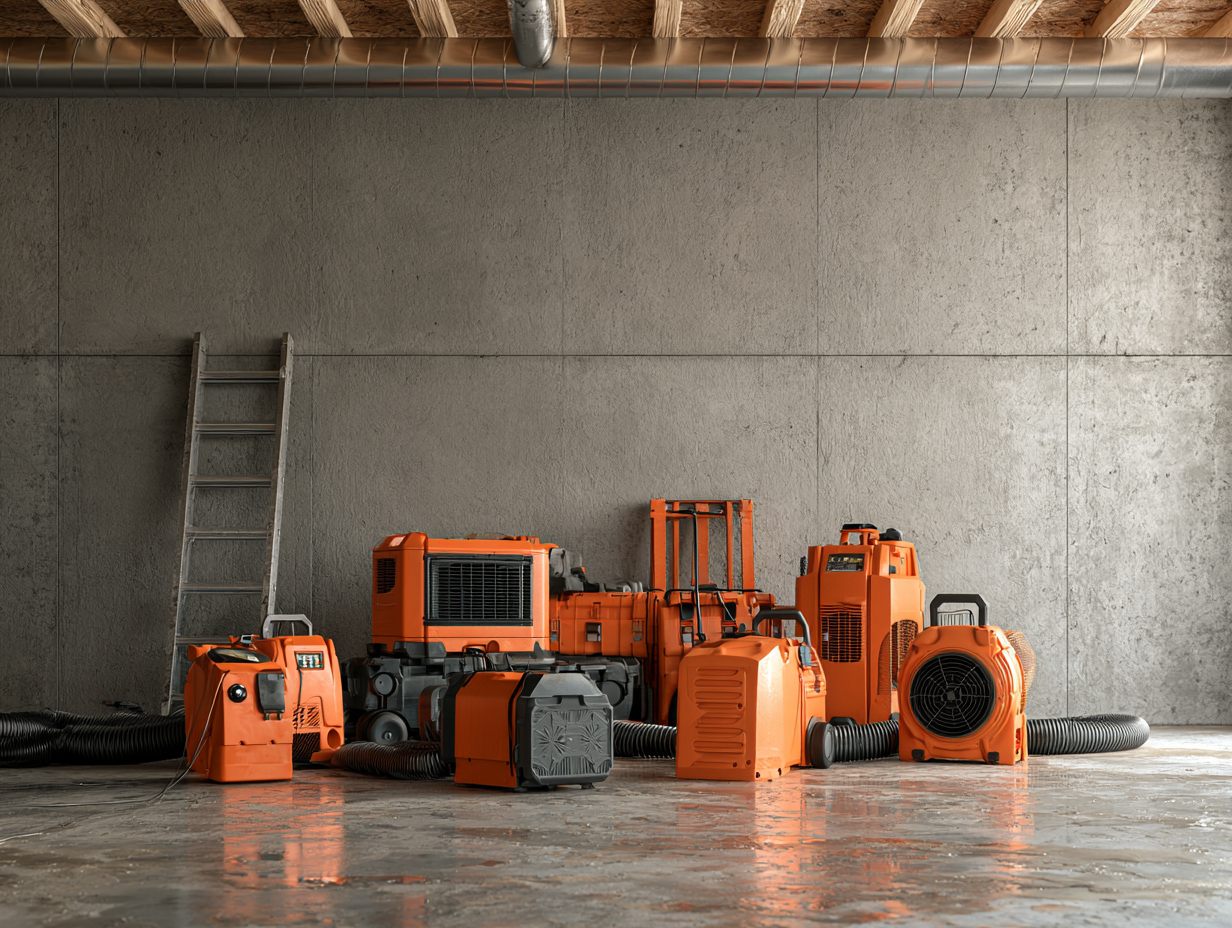
For a typical household leak, structural drying runs about three to five days with air movers and dehumidifiers. Hardwood, plaster and soaked crawl spaces take longer. Drying is done when moisture readings match dry parts of the house.
Usually, if the break was sudden and accidental. Slow leaks and river flooding are typically excluded. What adjusters check, and why claims stall: the Washington water claim guide.
Often, if the water was clean and the electrical system is unaffected. The drying equipment is loud and runs continuously, so some families stay elsewhere for a few nights.
It depends on how much water, how long it sat, what kind of water it was and what has to be replaced. The factors, in plain terms: what drives the cost.
Restoration companies in this network cover Richland's neighborhoods, the rest of the Tri-Cities and the towns up and down the rivers.
A fall checklist for the spots that freeze first in local houses.
Crawl spaces, slab edges, wall cavities and attics: where leaks go unseen.
Flood stages at Kiona, flood insurance, and cleaning up after river water.
(509) 410-6873, for Richland and the whole Tri-Cities area.
Call (509) 410-6873