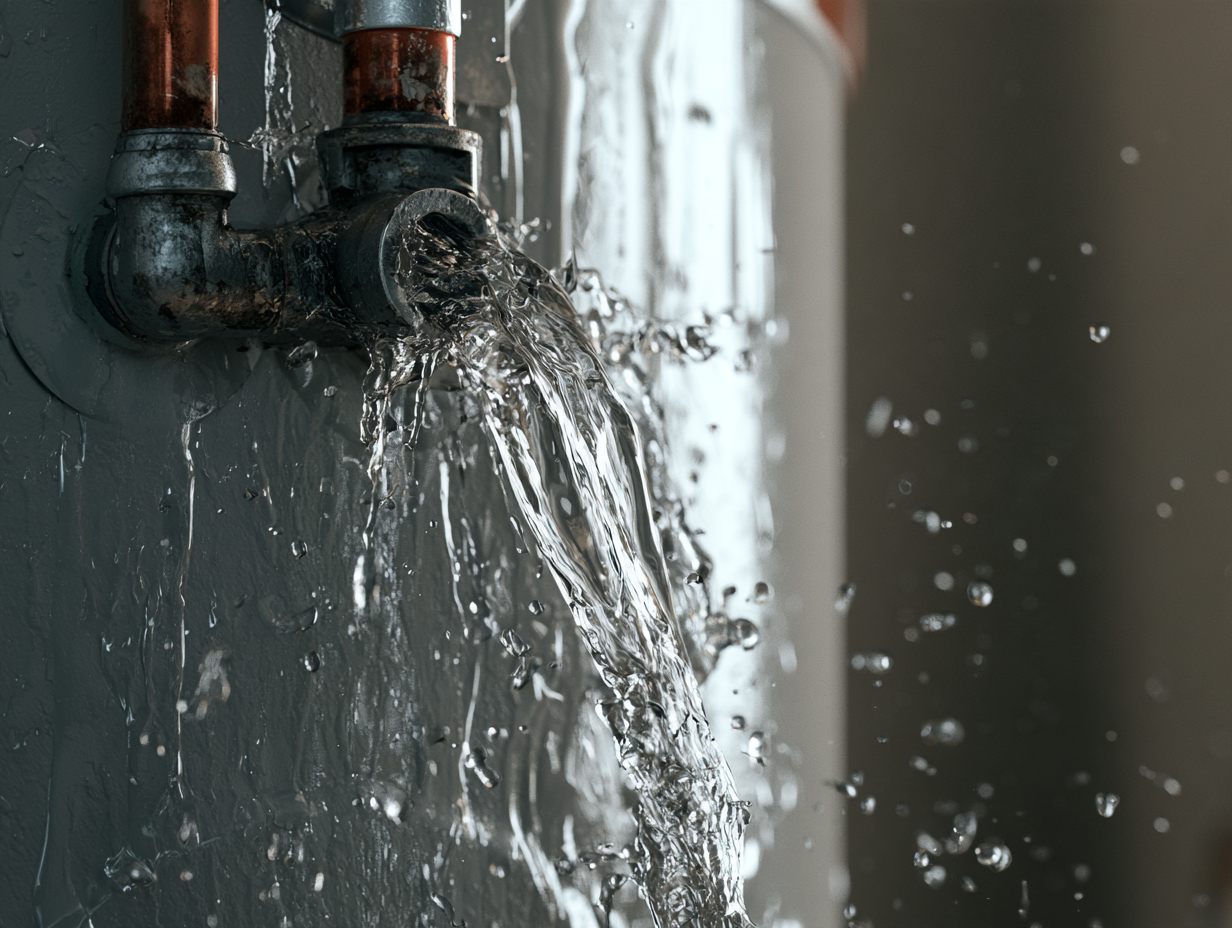
After a pipe bursts or a water heater lets go, the insurance claim runs alongside the cleanup. The adjuster's job is to answer three questions: what happened, whether the policy covers it, and how much damage it caused. Knowing what they look for makes the claim smoother. This is general information, not legal or insurance advice; your own policy decides your coverage.
What Washington Policies Usually Cover
Most homeowners policies cover water damage that is sudden and accidental and comes from inside the home: a pipe that freezes and splits, a water heater tank that ruptures, a washing machine hose that bursts, a toilet supply line that breaks. Coverage typically includes drying the house and repairing the damaged parts of the structure, and damaged belongings under the personal property portion.
They usually exclude:
- Slow leaks that went on for weeks or months
- Wear, tear and neglect, such as a tank kept long past its life
- River, surface and groundwater flooding, which needs a separate flood policy
- Sewer and drain backups, unless you bought a water backup endorsement
- Mold beyond a small limit, especially where a leak went unrepaired
The broken pipe or worn-out appliance itself is often treated differently from the damage its water caused.
The Evidence Adjusters Want
| Evidence | Why it matters | How to get it |
|---|---|---|
| Photos and video before cleanup | Shows the water, the source and the extent | Phone camera, every room, wide and close |
| The failed part | Shows the failure was sudden | Keep the split pipe section or burst hose |
| Moisture readings | Shows where water went and when it was dry | The restoration company's daily logs |
| Scope of work | Lists what was removed and what needs repair | Written, itemized, drying separate from repairs |
| Receipts | Covers emergency costs | Tarps, fans, a hotel night, meals |
| A call log | Keeps the claim on track | Date, time, name and summary of each call |
Why Do Water Claims Get Delayed or Denied?
Usually because the damage looks long-term, the home was left unheated during a freeze, the damage wasn't documented before cleanup, or mitigation started late and the damage grew. The fixes are simple: photograph first, start drying right away, keep the failed part, and keep the moisture logs. If the house was empty during a cold snap, expect questions about whether the heat was on.
Your Duty to Limit the Damage
Policies expect you to take reasonable steps to stop damage from getting worse, called mitigation. In practice that means shutting off the water, getting standing water out, and starting drying promptly. Insurers generally pay for reasonable emergency mitigation as part of a covered claim. Waiting days for the adjuster before removing water is usually the wrong move; document it and get the water out. See standing water removal and drying & restoration.
Can You Pick Your Own Restoration Company?
Yes. Your insurer may suggest companies, but the choice is yours. Whoever you hire, confirm their Washington Department of Labor & Industries registration and insurance with L&I's Verify a Contractor tool, ask how they document drying for claims, and read any work authorization or assignment of benefits carefully before signing.
Terms You'll Hear
- Deductible: the part of the loss you pay before coverage starts.
- Replacement cost vs. actual cash value: new-for-old versus depreciated value.
- Scope of work: the itemized list of work the adjuster compares with the damage.
- Supplement: an addition to the scope when more damage turns up during the work.
More in the water damage glossary.
If You Disagree With the Insurer
Ask for the decision and the policy language behind it in writing. Share the moisture logs and photos. Washington's Office of the Insurance Commissioner runs a consumer help line for policyholders with questions or complaints about how a claim was handled.
Rentals Are Different
Tenants' belongings fall under renters insurance; the building is the owner's policy. Who reports what, and when: landlords, tenants and water damage.
Claims in Kennewick, Pasco and Richland follow the same pattern. For what drives the cleanup bill itself, read what drives the cost. The main page: water damage in Richland.
What Drives the Cost of Water Damage Cleanup
The factors behind the bill, and how to read a scope of work.
Water Damage Glossary: Terms You'll Hear From Contractors and Adjusters
Plain definitions, from Category 3 water to equilibrium moisture content.