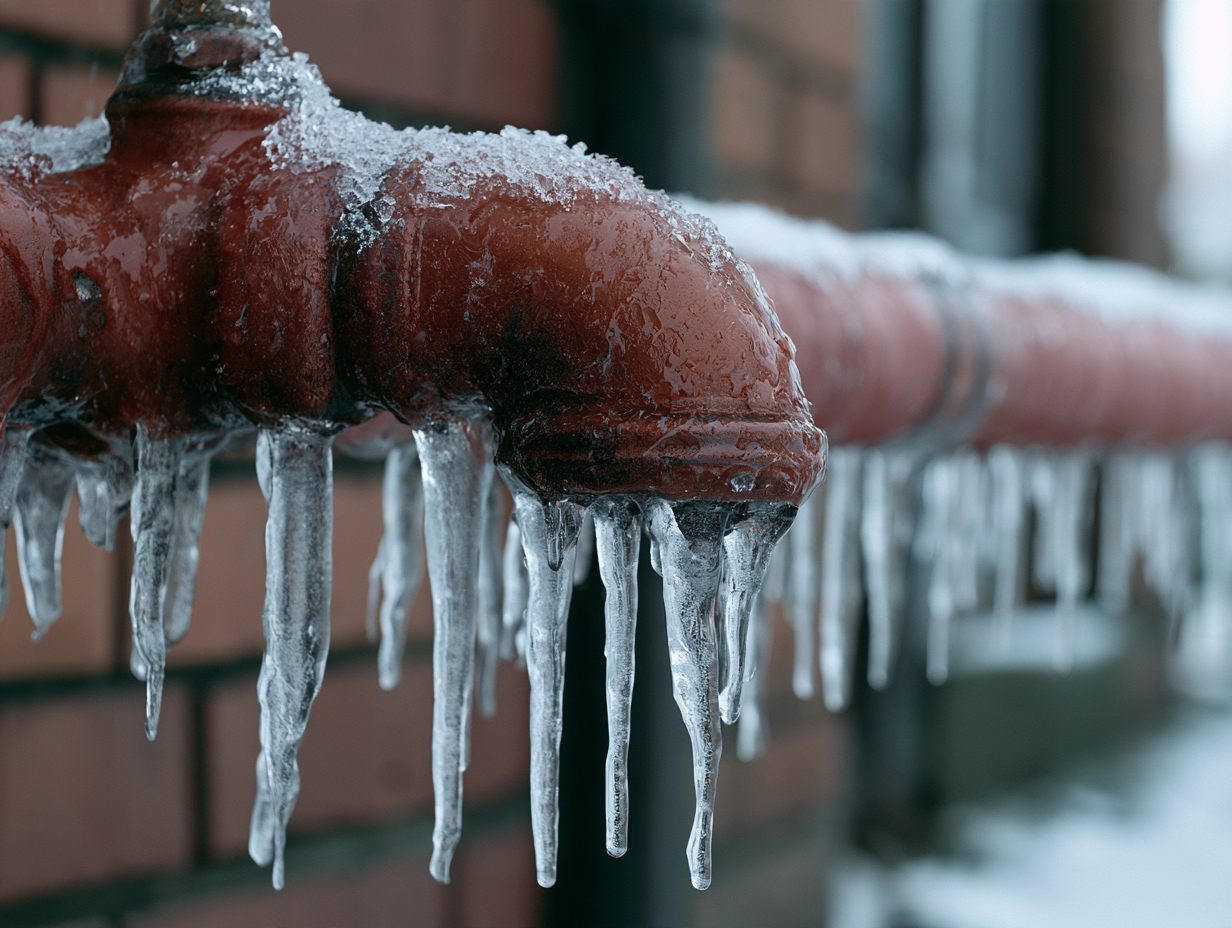
The Tri-Cities have a predictable water-damage year: freezes in winter, river and irrigation season in spring, cooling equipment in summer, and fall chores that decide how the next winter goes. Here it is month by month, each with one quick check.
Winter: The Freeze Months
December. The first deep cold usually arrives. Pipes in crawl spaces, garages and exterior walls are most at risk, and holiday travel leaves houses empty during cold snaps. Check: faucet covers on, crawl-space vents closed for the cold spell, heat on in any empty house.
January. Often the coldest stretch. Burst pipes tend to show up the afternoon after a freezing night, when the ice in a split line melts. Check: on the coldest nights, open sink cabinets on exterior walls and let a faucet drip.
February. Warm spells between freezes mean freeze-thaw cycles, and an occasional snowfall followed by a quick melt can back water up under shingles at the eaves (ice dams and roof leaks). Warm rain on mountain snow can also send the Yakima up. Check: look at ceilings near exterior walls after any snowmelt; watch the Kiona gauge.
Spring: River and Irrigation Season
March. River high water is most likely in late winter and early spring along the lower Yakima: West Richland, Benton City, Prosser. Check: if you're on low ground, confirm flood coverage now; new policies usually have a waiting period.
April. Irrigation water comes back on in many neighborhoods, and lines that froze over winter reveal their cracks. Check: walk the yard and look in the crawl space after the first irrigation run.
May. Swamp coolers and air conditioners start up for the season. Check: service the cooler, and confirm the AC condensate line drains outside.
Summer: Cooling and Appliances
June. Coolers and AC run hard; condensate lines clog with algae and dust. Check: look at the ceiling under the cooler duct or attic air handler for new stains.
July. Peak heat, peak laundry, peak garden watering. Washing machine hoses, dishwasher lines and hose bibs get the most use. Check: feel behind the washer for damp fittings.
August. Long dry stretch. A leak under the house can go unnoticed because nothing outside is wet. Check: glance at the water meter with everything off; if it moves, something's leaking.
Fall: Getting Ready
September. Cooler season ends. Check: drain and cover the swamp cooler, and shut its water supply.
October. Irrigation water shuts off. This is the month that decides January. Check: disconnect hoses, blow out sprinkler lines, test heat cable, sleeve exposed pipes. The full list: winterizing a Tri-Cities home.
November. First frosts, leaves in the gutters. Check: clear gutters and downspouts, find the main shutoff, and check the water heater's age before winter loads it up: how old is your water heater?.
The Same Calendar, at a Glance
| Season | Main risks | Where it shows up |
|---|---|---|
| Winter | Frozen and burst pipes, ice at the eaves | Crawl spaces, garages, exterior walls, top-floor ceilings |
| Spring | Yakima River high water, irrigation leaks | Low ground near the river, crawl spaces beside sprinkler lines |
| Summer | Cooler and AC condensate, appliance hoses | Ceilings under coolers and air handlers, laundry rooms, kitchens |
| Fall | Setup for winter: hoses, heat cable, gutters | Outdoor faucets, crawl spaces, eaves |
Year-Round
Water heaters and supply lines don't keep a calendar. Tanks in many Pasco and south Kennewick homes are reaching retirement age together, and supply lines behind toilets and faucets wear out on their own schedule. See water heater & appliance leaks.
By Town
The calendar shifts a little across the area. West Richland and Benton City put more weight on spring river watching. Rural Burbank and Connell put more on well houses in winter. Connell, out on the open plateau, gets the hardest winter wind. The main page covers the rest: water damage in Richland.
Winterizing a Tri-Cities Home: Pipes, Hoses and Crawl Spaces
A fall checklist for the spots that freeze first in local houses.
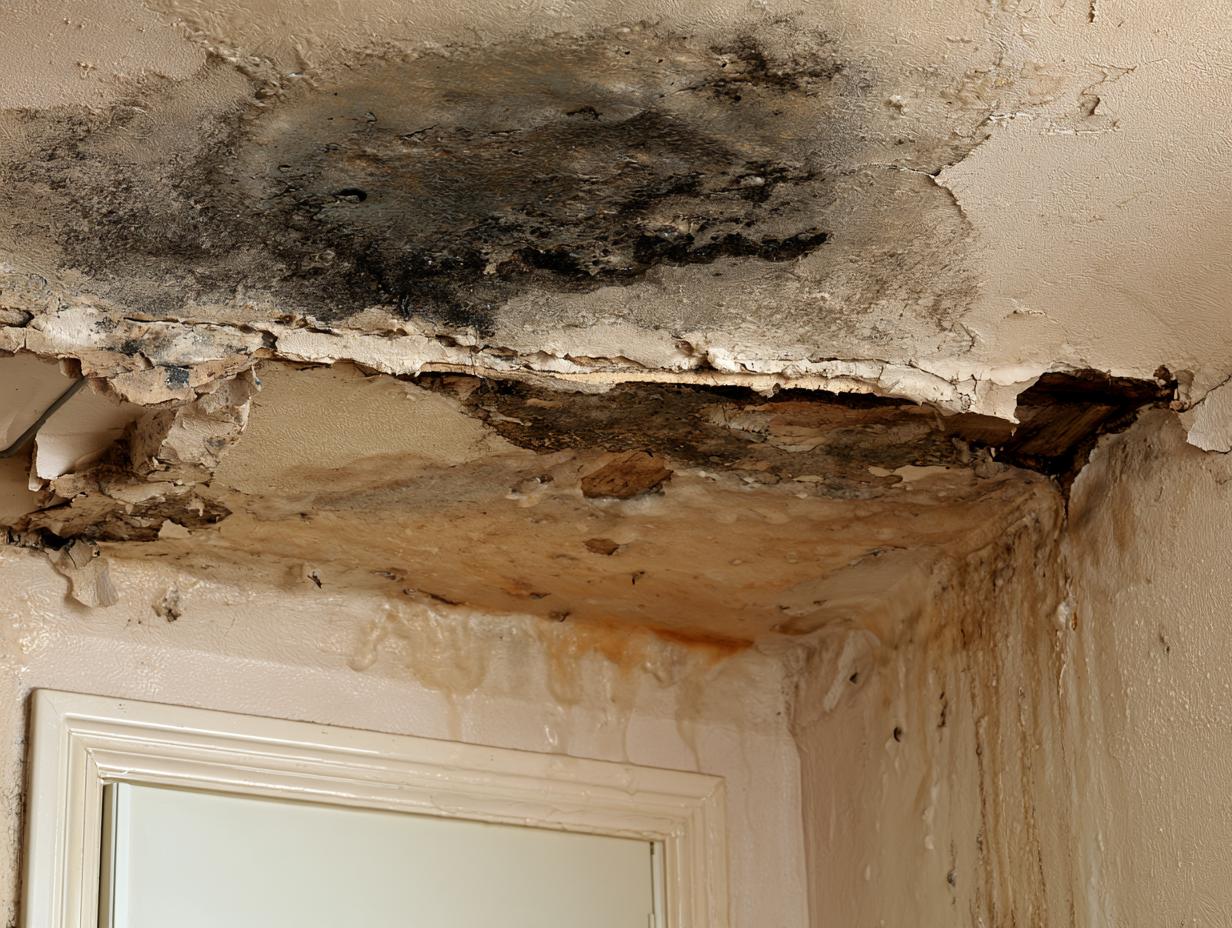
Swamp Cooler and AC Condensate Leaks
Summer leaks from cooling equipment, and how to spot them early.