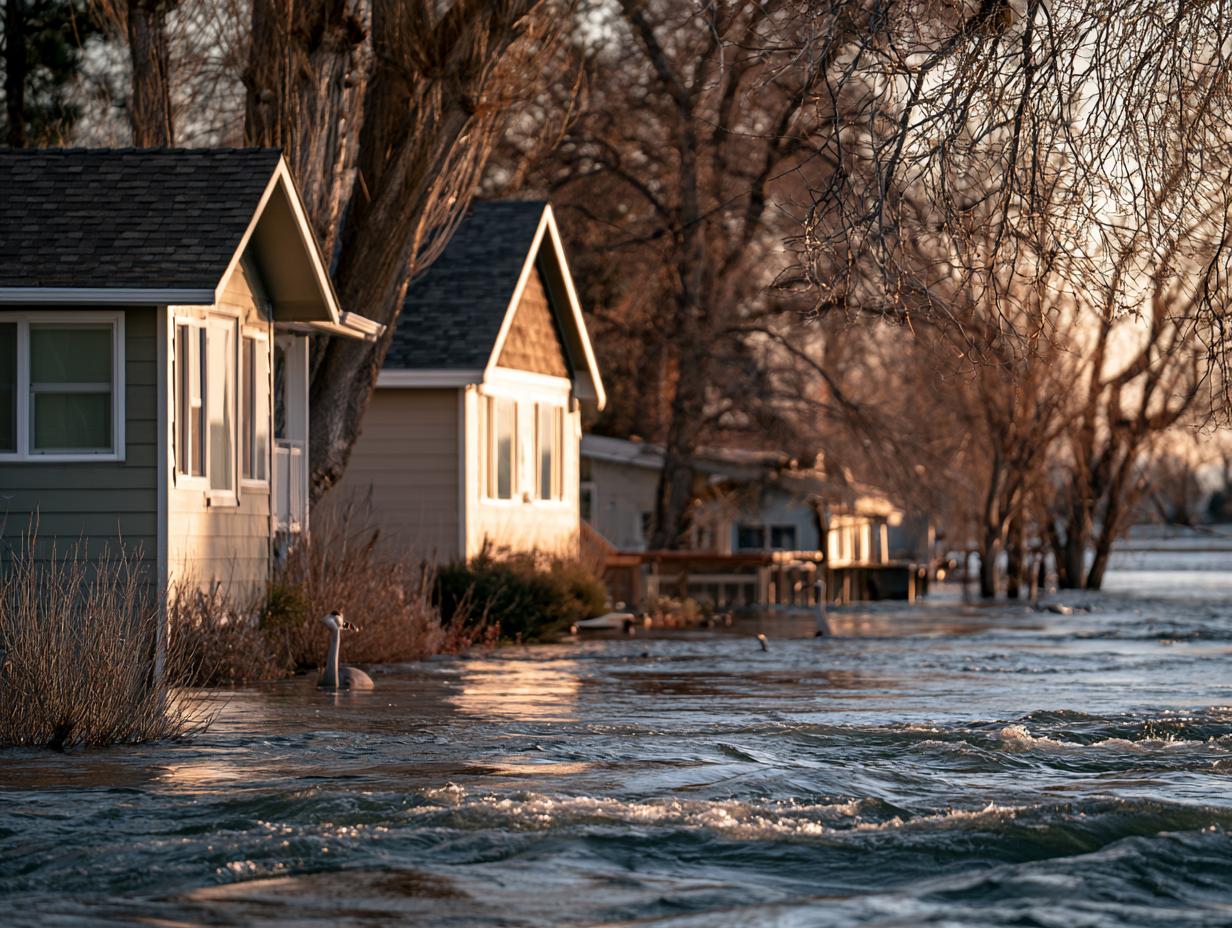
Why Floodwater Is a Different Job
Water from a river, surface runoff or rising groundwater is treated as Category 3 water: it can carry sewage, farm runoff, fuel, chemicals and silt. That changes the cleanup. Porous materials it soaked (carpet, pad, insulation, the lower part of drywall, often particleboard cabinets) are removed rather than dried, and everything that stays is cleaned and disinfected before drying starts.
Around the Tri-Cities this mostly means the lower Yakima: low ground in West Richland, Benton City and along the river toward Prosser. Groundwater and surface water can also reach crawl spaces and garages elsewhere after a long wet stretch or a broken irrigation main.
The Yakima at Kiona
The river gauge most people watch is the Yakima River at Kiona, near Benton City. Its flood stage is 13 feet, moderate flooding starts at 14.5 and major flooding at 16. In February 1996 the river reached about 21 feet there, and the flood damaged the old Horn Rapids Dam, which was rebuilt in concrete the next year. More recent high water was reported as the highest near the Tri-Cities in almost 30 years, closing Van Giesen Street into West Richland.
Floods here usually come in winter or early spring, when warm rain falls on mountain snow upstream and the runoff arrives a day or two later. Preparation, flood insurance and what to watch for: Yakima River flooding guide.
Before You Go Back In
- Wait until officials say it's safe, and stay out of buildings with visible structural damage.
- If water reached outlets or the electrical panel, keep the power off until an electrician has checked it.
- Wear waterproof boots and gloves; keep children and pets away from floodwater and mud.
- Photograph everything before cleanup, for the flood insurance claim.
- Don't drink well water until the well has been disinfected and tested.
How Flood Cleanup Runs
| Step | What's involved |
|---|---|
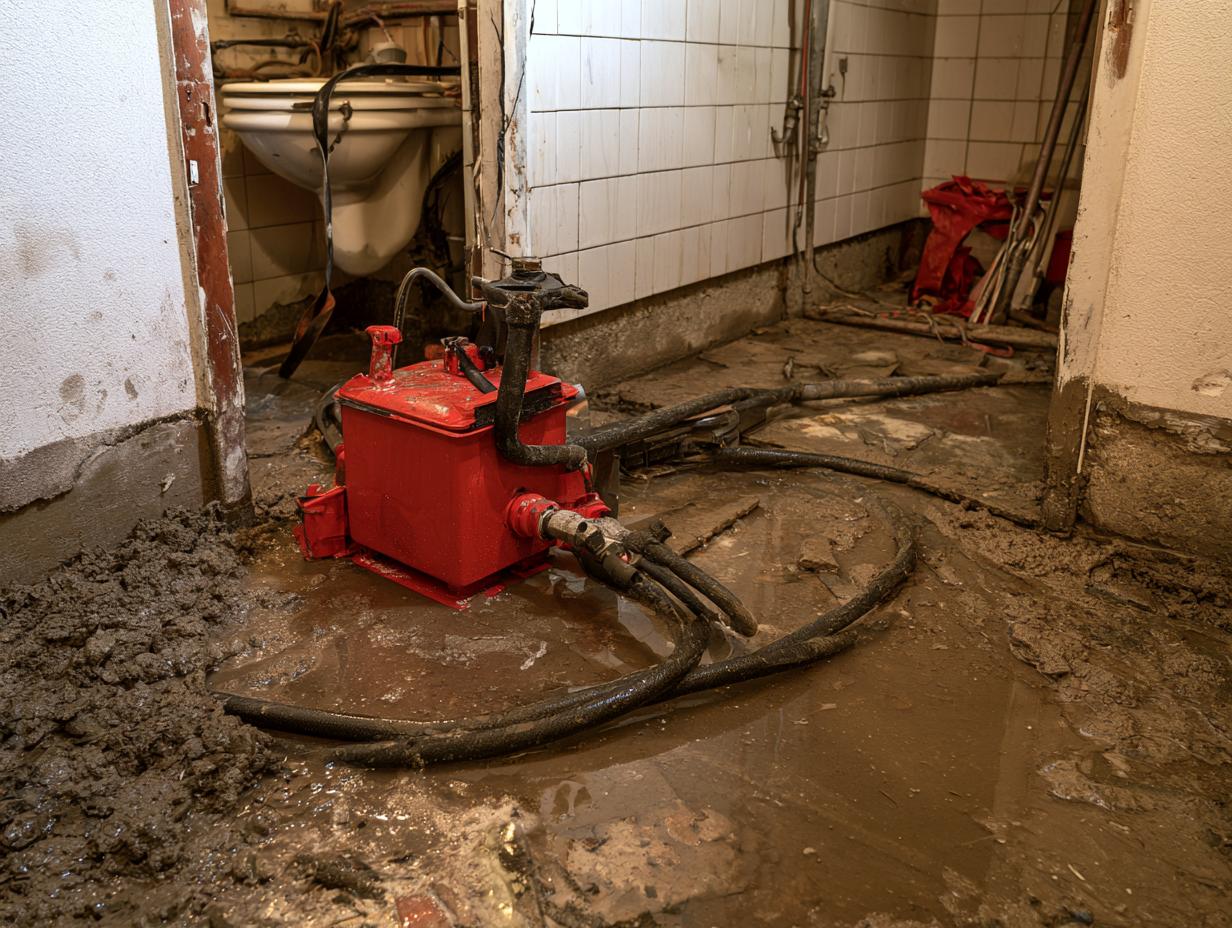
| Water and mud out | Pumping, then shoveling and squeegeeing silt out of rooms, garages and crawl spaces |
| Remove porous materials | Carpet and pad, drywall to above the waterline, wet insulation, swollen cabinets |
| Clean and disinfect | Framing, slabs and hard surfaces scrubbed and treated |
| Crawl space | Vapor barrier often replaced; soil cleaned up and treated |
| Dry | Air movers and dehumidifiers until readings match dry areas |
| Rebuild | Insulation, drywall, flooring and finishes back in |
For the drying stage in detail, see drying & restoration.
Groundwater and Seepage Into Crawl Spaces
Not all flooding comes over a riverbank. A broken irrigation main, a long spell of snowmelt, or a high water table near the rivers can push water up through the soil into a crawl space or through cracks in a garage slab. It rarely looks dramatic: a few inches of water on the vapor barrier, damp insulation, a musty smell in the house. Pumping it out is only half the fix; the source needs attention too, whether that's grading, a sump pump or a leaking line in the yard. See irrigation and sprinkler line breaks.
Is Flood Damage Covered?
Not by a standard homeowners policy. Damage from rising river or surface water is covered by a separate flood policy, such as one through the National Flood Insurance Program, and new policies usually have a waiting period, so buying one after the river starts rising is too late. Groundwater seepage is often excluded as well. Check your coverage before the high-water season.
Flood Cleanup Across the Tri-Cities
Richland
Benton County
Franklin County & nearby: Pasco · Connell · Burbank · Franklin County
Related Reading
Yakima River Flooding: West Richland, Benton City and Prosser
Flood stages at Kiona, flood insurance, and cleaning up after river water.
Water Damage Glossary: Terms You'll Hear From Contractors and Adjusters
Plain definitions, from Category 3 water to equilibrium moisture content.
Main page: water damage in Richland.