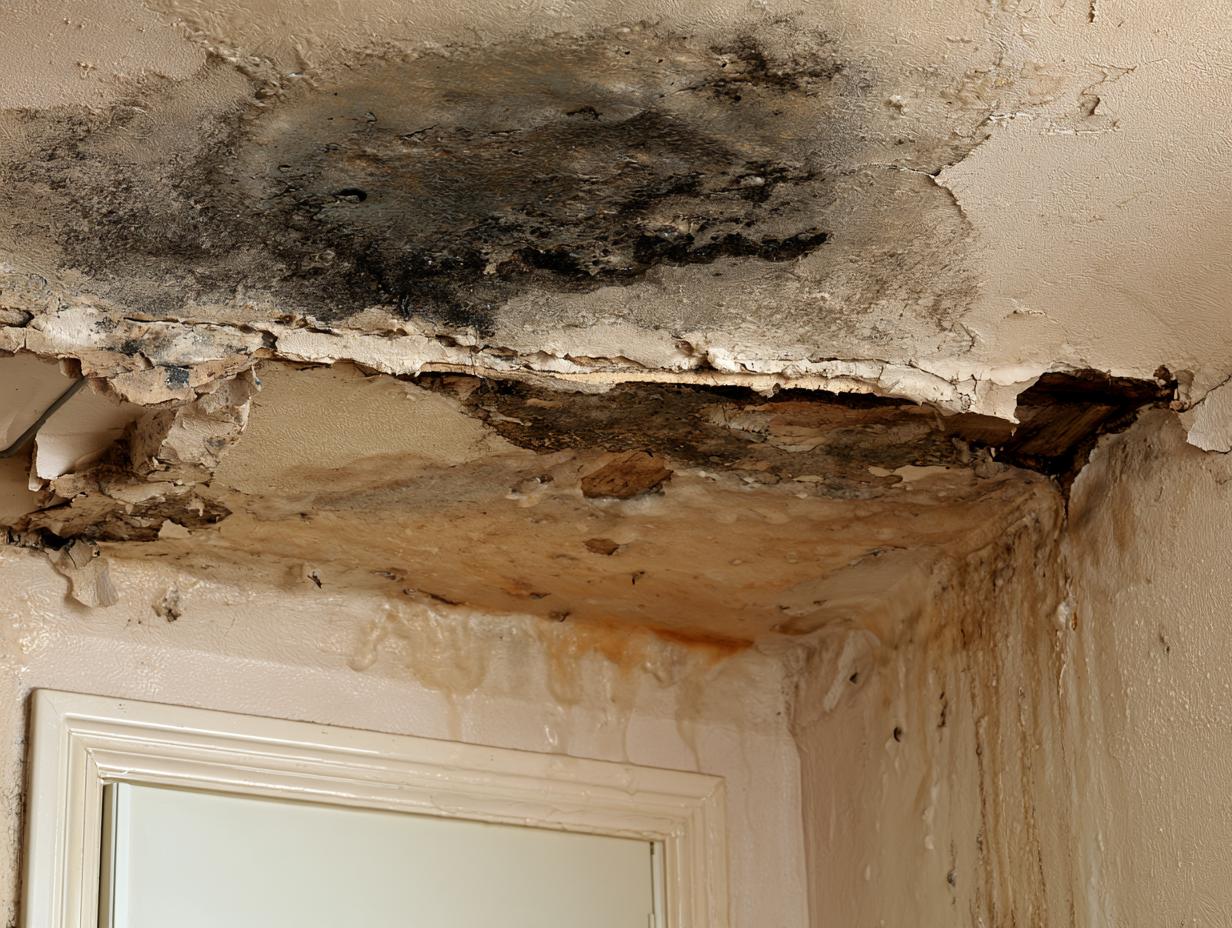
People new to the Tri-Cities often assume mold is a coastal problem. The air here is dry most of the year, wet towels dry overnight, and a spill on the kitchen floor is gone by morning. So it's a surprise when a leak that "dried out on its own" turns into a musty closet and black spots on the back of the drywall a few weeks later. The outdoor climate doesn't decide whether mold grows. The moisture trapped inside the house does.
Can Mold Grow in a Dry Climate Like the Tri-Cities?
Yes. Mold needs moisture, something to feed on and time. Drywall paper, wood, carpet backing and insulation provide the food. A leak provides the moisture, and inside a wall cavity, under a floor or above a ceiling, that moisture can stay put for weeks because no dry air reaches it. Mold can begin growing on wet materials within about a day or two. The dry air in the room only helps the surfaces you can see.
Where Moisture Gets Trapped
- Wall cavities behind a leak, especially behind showers, toilets and kitchen sinks
- Under flooring: laminate, vinyl plank and carpet pad hold water against the subfloor
- Crawl-space insulation below a leak, pressed up against the floor
- Above ceilings, where an upstairs or attic leak pools on the drywall
- Under and behind cabinets, where particleboard soaks water up
- Under a manufactured home's belly board
Each of these is a closed space, which is the opposite of the dry outdoors.
How Do You Know If Something Is Still Wet?
You can't tell by touch or by looking. A floor can feel dry while the subfloor underneath is soaked. Moisture meters read inside materials, and thermal imaging shows damp areas behind walls as cooler spots. Restoration companies compare readings in the wet area with the same material in a dry room; when they match, it's dry.
Signs Mold Has Started
- A musty or earthy smell, often strongest when a closet or cabinet is first opened
- Stains, spots or discoloration on drywall, baseboards or the underside of a sink cabinet
- Paint that bubbles or peels where water was
- Allergy-like symptoms that ease when you leave the house
- Visible growth in the crawl space on joists or insulation
The Way to Prevent It: Dry It Properly the First Time
Mold prevention after a leak is mostly a drying job:
- Remove the standing water quickly (standing water removal).
- Take out materials that can't dry in place, like soaked pad, wet insulation and swollen particleboard.
- Open up enclosed wet areas so air can reach them.
- Run air movers and dehumidifiers until readings reach the dry standard (drying & restoration).
- Fix the source so it doesn't happen again.
Turning off the equipment early because the room feels dry is the most common way a clean leak becomes a mold problem.
If Mold Is Already Growing
Small spots on hard surfaces can often be cleaned. Larger areas, anything inside walls, and any growth after gray or black water should be handled by a professional with containment so spores don't spread through the house. Federal guidance generally recommends professional help for patches larger than about 10 square feet. Moldy porous materials like drywall and insulation are usually removed, not cleaned.
Around the Area
Mold after leaks shows up all over the Tri-Cities: in central Richland's older crawl-space homes, in second-floor ceilings in South Richland, and under manufactured homes in Finley and Burbank. More on the water damage in Richland page.

Where Water Hides in Tri-Cities Homes
Crawl spaces, slab edges, wall cavities and attics: where leaks go unseen.
Water Damage Glossary: Terms You'll Hear From Contractors and Adjusters
Plain definitions, from Category 3 water to equilibrium moisture content.