Two water losses that look alike on day one can end up far apart in cost. The difference is rarely the company; it's the water itself, how long it sat, and what it reached. This guide covers the factors behind the bill and how to read a scope of work, so you can ask the right questions. It doesn't list prices: they vary by company and by job, and the restoration company sets them with you.
The Five Biggest Factors
| Factor | Lower-cost end | Higher-cost end |
|---|---|---|
| How much water, and where | One bathroom floor | Several rooms, a second floor, or the crawl space |
| Type of water | Clean supply-line water (Category 1) | Gray water, or river and sewage water (Category 3) |
| Time before work started | Hours | Days, with water wicking into walls and framing |
| Materials affected | Tile, vinyl, hard surfaces | Carpet and pad, hardwood, plaster, cabinets |
| Drying time | A few days of equipment | A week or more, or specialty drying |
Why Does Waiting Make It Cost More?
Because water keeps moving. In the first hours it's mostly on surfaces and in carpet. Within a day it climbs drywall and soaks the subfloor; within two, materials that could have been dried in place may have to be cut out, and mold becomes possible. Each step adds tear-out, cleaning and rebuilding to the job. Getting the water out early is the single biggest lever you control.
How the Work Is Usually Billed
Restoration work is commonly itemized rather than priced as one lump sum. Typical line items:
- Emergency response and setup
- Water extraction, often by area
- Removal and disposal of wet materials: carpet pad, baseboard, drywall, insulation
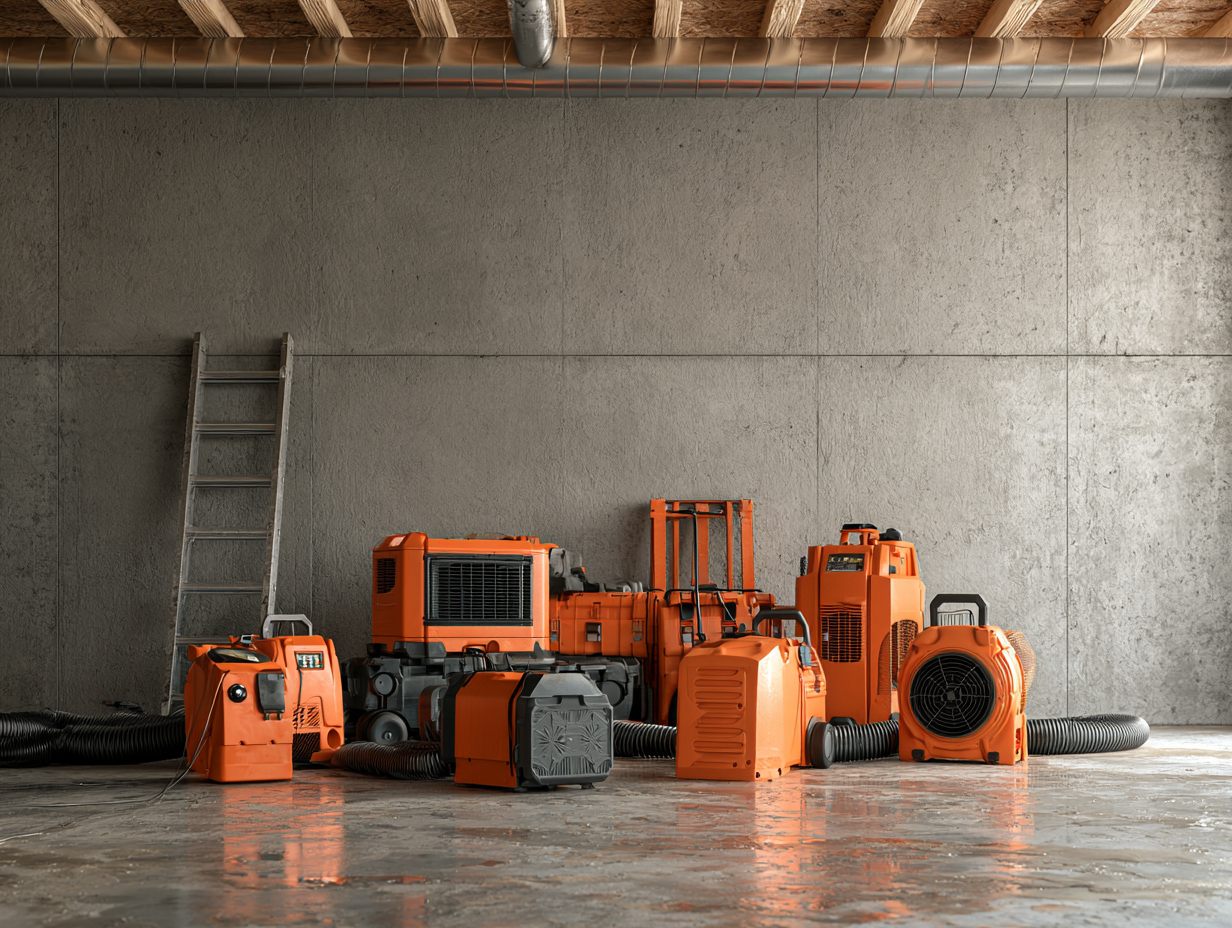
- Equipment, usually per unit per day: air movers, dehumidifiers, specialty drying
- Monitoring, the daily moisture readings
- Cleaning and antimicrobial treatment, more for gray or black water
- Rebuild, which may be priced separately or handled by a separate company
Reading a Scope of Work
A good scope lets you see what's being done and why. Look for:
- Rooms and areas listed separately, with square footage.
- Drying and repairs separated, so you can compare and so the insurer can follow it.
- Equipment counts and days, matched to the moisture logs.
- Materials removed, with quantities, and a reason for removal (wet beyond saving, contaminated).
- What isn't included, such as contents cleaning, the plumbing repair or the rebuild.
If two companies' scopes differ, compare them line by line. A cheaper scope that skips the crawl space or leaves wet insulation in the walls isn't cheaper in the end.
Local Factors in Tri-Cities Homes
A few things push costs in this area:
- Crawl spaces. Many homes have one, and water that reaches it needs pumping, vapor barrier work and its own drying.
- Older materials. Plaster and old hardwood in central Richland and older Kennewick homes are slower to dry but often cheaper to save than replace. See Alphabet Houses and mid-century plumbing.
- River water. Flood losses along the Yakima involve contamination, silt removal and more tear-out. See river & groundwater flooding.
- Second-floor leaks in newer homes, which put the ceiling below on the bill.
What About Insurance?
A covered water loss usually means the insurer pays the reasonable cost of mitigation and repairs, minus your deductible. The itemized scope and moisture logs are what the adjuster works from. More in what adjusters look for.
Ways to Keep the Bill Down
- Shut off the water fast, and know where the main is.
- Get extraction started the same day.
- Move belongings out of the wet area yourself.
- Don't let the drying stop early; re-wetting and mold cost more than a few extra equipment days.
- Fix the cause (the pipe, the hose, the tank) so it doesn't happen twice.
Questions about a specific situation in Richland, Pasco, West Richland or nearby? The restoration company can walk through the factors for your job before any work begins. Start at water damage in Richland.
What Adjusters Look For After a Water Claim in Washington
Coverage basics, the evidence that matters, and why claims stall.
Where Water Hides in Tri-Cities Homes
Crawl spaces, slab edges, wall cavities and attics: where leaks go unseen.