Winterizing a Tri-Cities Home: Pipes, Hoses and Crawl Spaces
A fall checklist for the spots that freeze first in local houses.
NORTH RICHLAND · WA
From the streets north of the old city core out to the newer homes around Horn Rapids.
North Richland stretches from the edge of the Hanford-era city core out toward Horn Rapids, where newer subdivisions have grown up around the golf course on open ground near the lower Yakima. The housing splits roughly in two. Closer in are postwar homes on crawl spaces with older supply lines and water heaters. Farther out are houses built in the last couple of decades, larger and often two stories, with laundry upstairs and plumbing routed through exterior walls. Open ground and wind make cold snaps bite harder at the north end, and the newer homes see the leaks show up as ceiling stains rather than wet crawl spaces.
Newer Horn Rapids-area homes hide water between floors, behind kitchen islands and inside exterior walls, so a moisture meter and a thermal camera find more than your eyes will. The older homes closer to the city core behave like central Richland's: water drops into the crawl space and soaks the insulation where nobody sees it. A restoration company working the north end checks both places.
Not sure what you're looking at? The water damage glossary explains the terms you'll hear.
At the north end, a leak in a newer two-story house usually announces itself on the ceiling below. By then the floor above is already wet, so it's worth a call the same day.
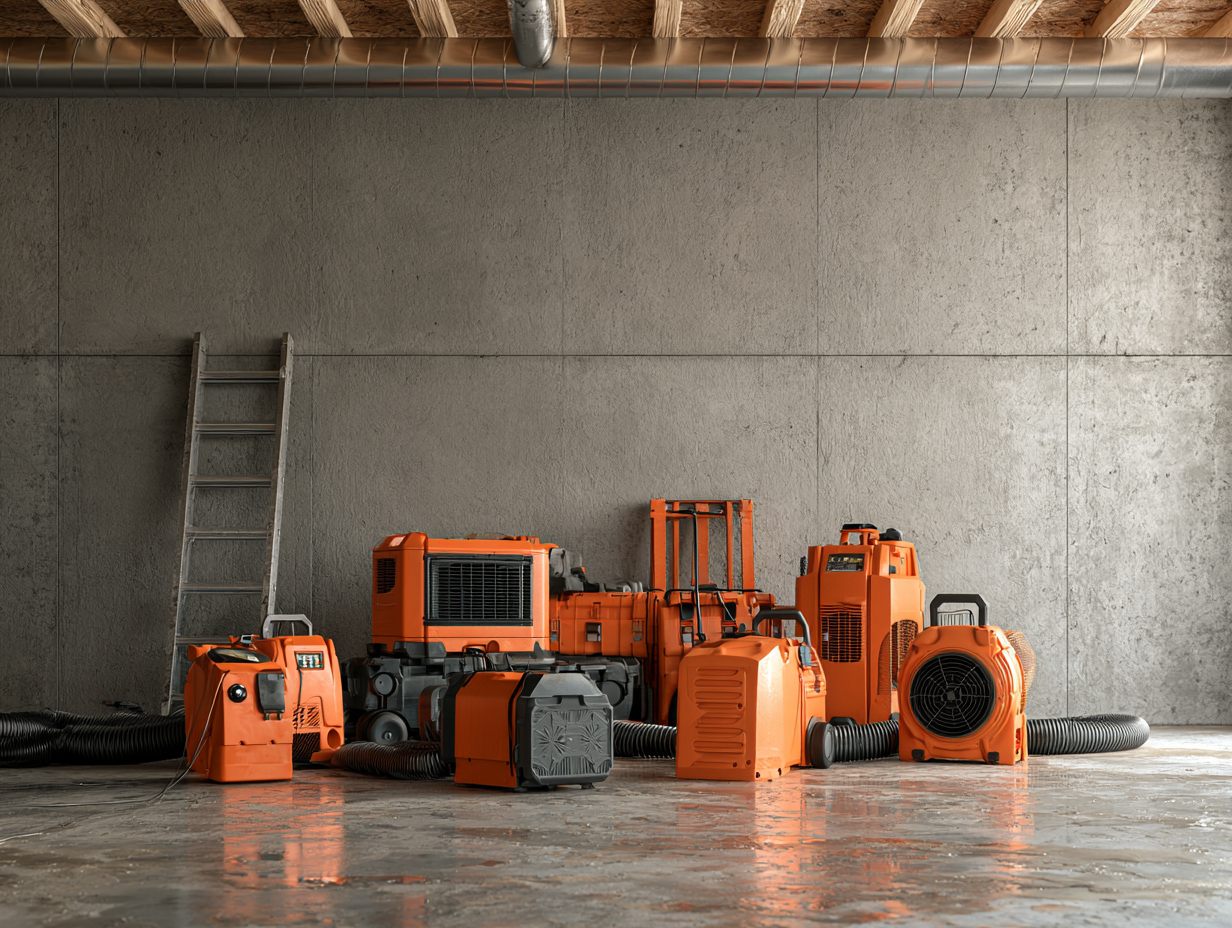
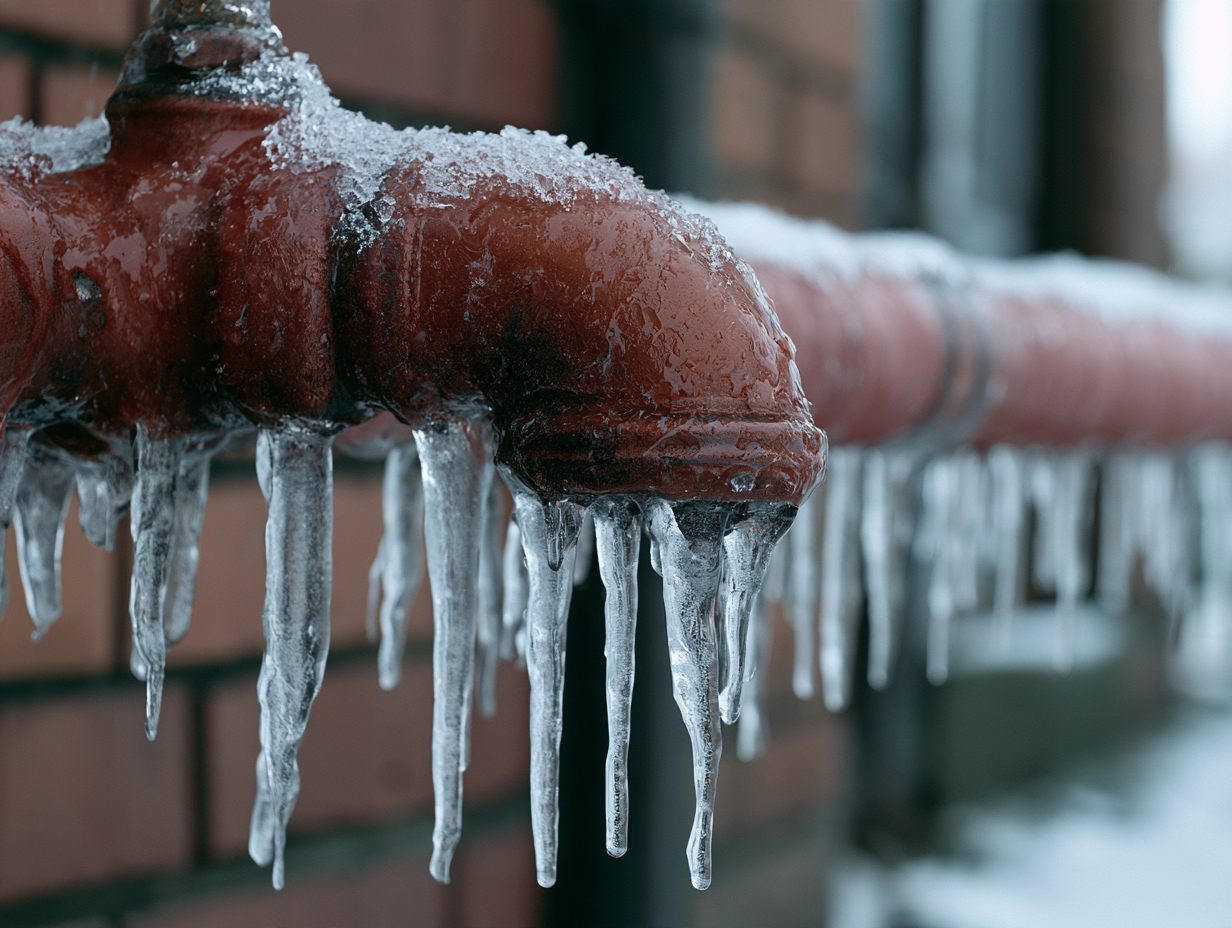
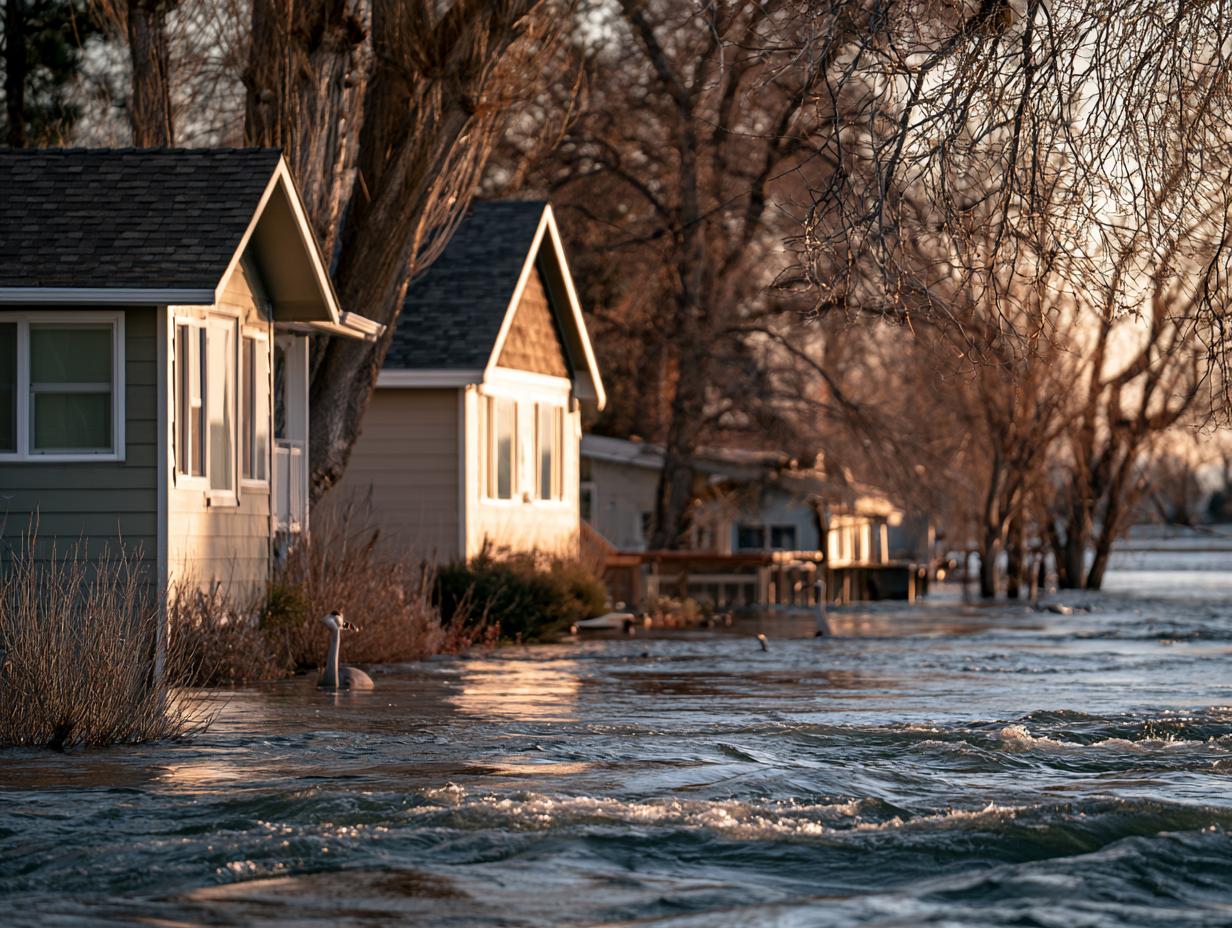
Most calls from North Richland fall into a few groups: standing water removal, cleanup after frozen and burst pipes, water heater and appliance leaks, and river or groundwater flooding. Each ends the same way, with drying and repairs.
A fall checklist for the spots that freeze first in local houses.
Crawl spaces, slab edges, wall cavities and attics: where leaks go unseen.