
Snow isn't a big part of Tri-Cities winters. Most years see only a little, and it often melts within days. That's exactly why roof leaks from snow catch people off guard here: the gutters are full of fall leaves, the attic insulation is thin in older homes, and nobody is watching the eaves. A few days of snow followed by sunshine is enough.
How Does an Ice Dam Form?
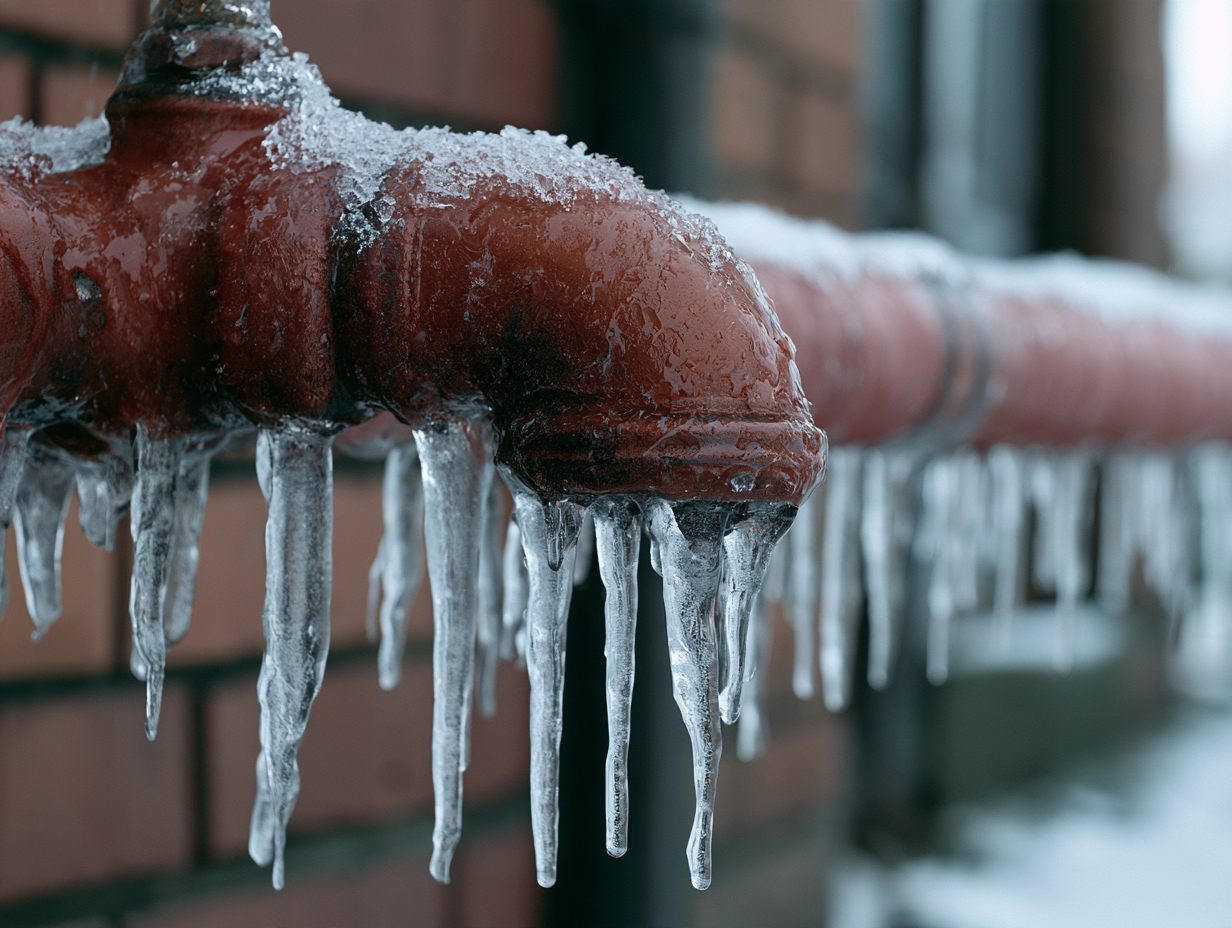
Heat escaping from the living space warms the roof deck, melting the snow on the upper part of the roof. That meltwater runs down to the eaves, which hang out past the warm walls and stay cold. There it refreezes into a ridge of ice. More meltwater backs up behind the ridge, finds its way under the shingles, and drips into the attic, the top of the wall or the ceiling below.
The conditions that make it worse:
- Poor attic insulation or air leaks from the living space into the attic
- Gutters packed with leaves that hold ice and water at the edge
- Low-slope roof sections where water moves slowly
- Heat sources in the attic, such as a water heater or ductwork that isn't well sealed
Signs of Snowmelt Leaks
- Icicles along the eaves, especially thick ones
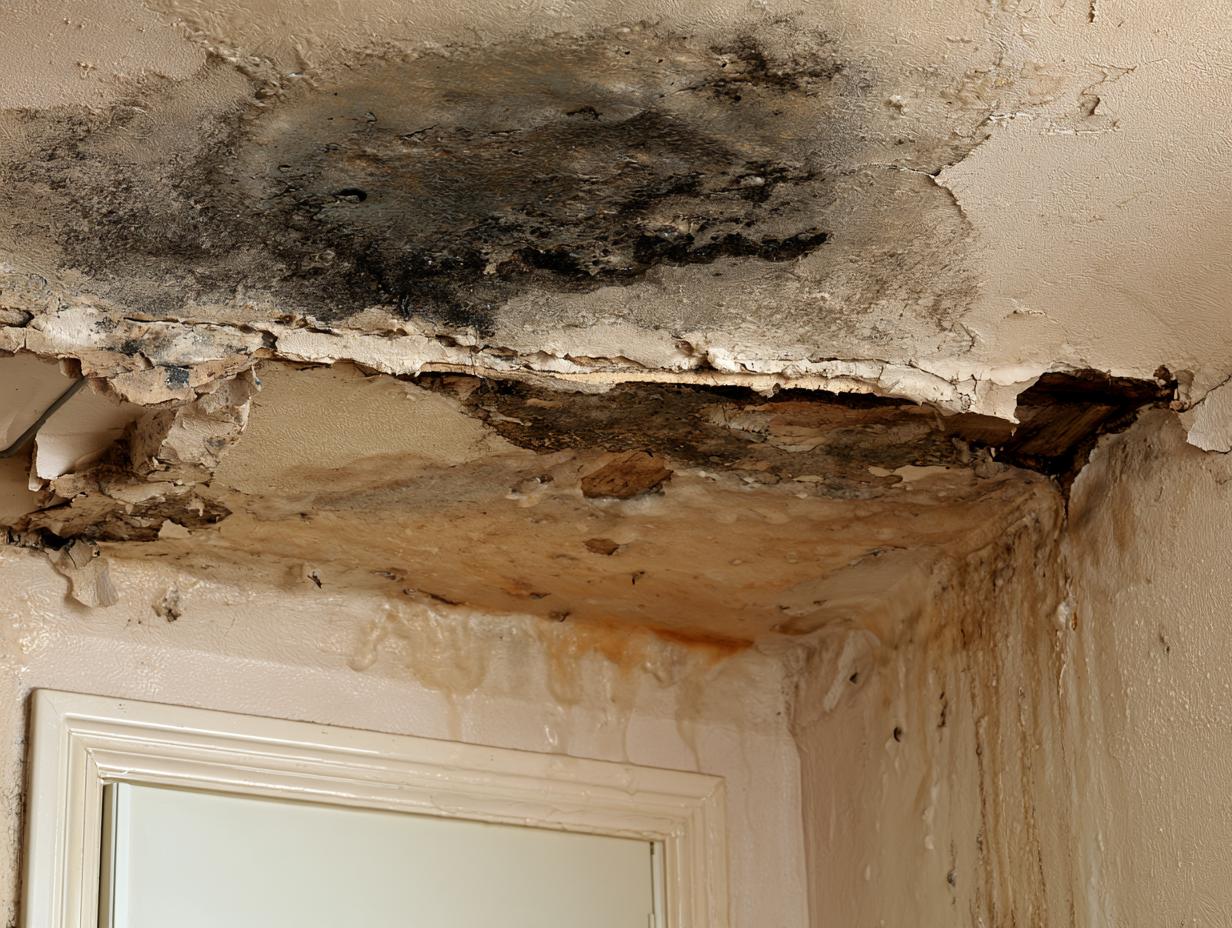
- Water stains or bubbling paint on top-floor ceilings near exterior walls
- Damp spots high on exterior walls, or water at the top of window frames
- Wet or compressed insulation in the attic near the eaves
- A ridge of ice along the roof edge with water pooled behind it
What Should You Do If Water Is Coming Through the Ceiling?
Put containers under the drip, move belongings, and keep people out from under any section of ceiling that's sagging; a water-filled ceiling can come down. If the ceiling is bulging, a small hole at the lowest point drains it in a controlled way, though only if you can do it safely. Don't climb onto an icy roof to chip ice; roofers and gutter professionals have the right equipment, and hammering at ice damages shingles. Then get the wet insulation and drywall assessed so it can be dried before mold starts.
Drying After a Snowmelt Leak
Water from the roof soaks attic insulation and the top of the drywall, two places that don't dry by themselves in a closed attic in winter. The usual approach: remove soaked insulation, open or drain the wet ceiling section, dry the framing and drywall with air movers and dehumidifiers until readings are good, then patch, re-insulate and paint. See drying & restoration.
Preventing the Next One
| Fix | Why it helps |
|---|---|
| Clean the gutters before winter | Gives meltwater a path off the roof |
| Seal attic air leaks around lights, vents and the attic hatch | Keeps living-space heat out of the attic |
| Add attic insulation where it's thin | Keeps the roof deck cold and even |
| Check attic ventilation | Lets cold air move under the roof deck |
| Ask a roofer about an ice-and-water membrane at the eaves when re-roofing | Adds a waterproof layer where dams form |
Older homes in central Richland and Prosser are most likely to have thin attic insulation; newer homes with complicated rooflines, common in South Richland, can trap snow in valleys. Fall prep is part of the Tri-Cities water damage calendar.
Is It Covered by Insurance?
Interior damage from ice dams is often covered as sudden water damage, while the roof repair and ongoing maintenance issues may be treated differently. Read what adjusters look for, and photograph the ice, the roof edge and the interior damage before anything is removed. The main page: water damage in Richland.
A Month-by-Month Water Damage Calendar for the Tri-Cities
What tends to go wrong each season, and the five-minute check that heads it off.
Why Dry-Climate Homes Still Get Mold After a Leak
Low humidity outside doesn't dry a soaked subfloor.