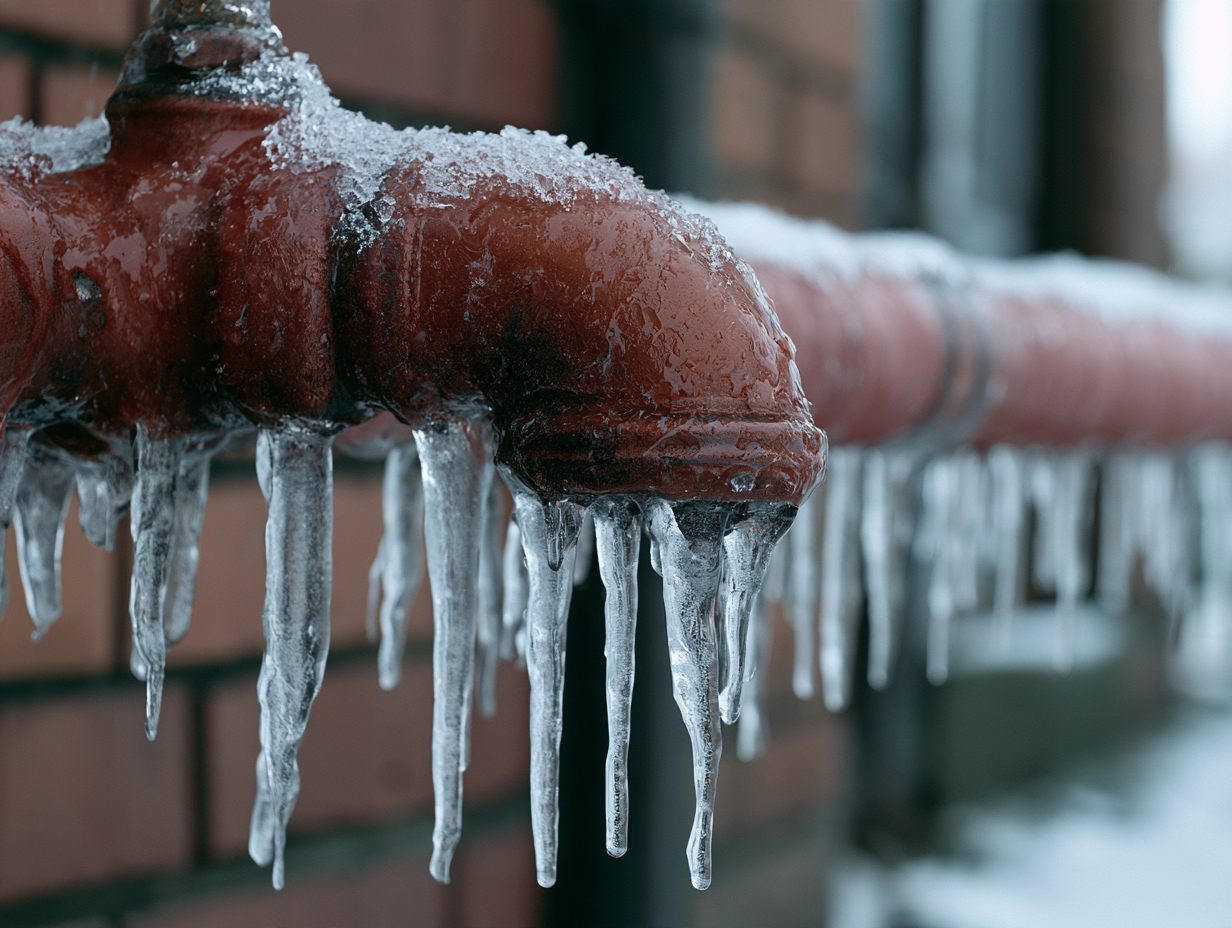
Rain is rare here; cold snaps aren't. A few times most winters the Tri-Cities sit well below freezing for days, and that's when pipes split in crawl spaces, garages and outside walls. Nearly all of it can be prevented with one fall afternoon. This is the checklist.
The October Walk-Around
Do this when the irrigation water is shut off for the season, usually in October.
| Where | What to do | Why |
|---|---|---|
| Outdoor faucets | Disconnect every hose; add an insulated cover | A hose traps water that freezes back into the wall |
| Sprinkler system | Have the lines blown out with compressed air | Water left in the lines freezes and splits them |
| Crawl-space vents | Note where they are; get foam blocks or covers ready | Close them during deep freezes, reopen in spring |
| Crawl-space pipes | Look for bare supply lines; add foam sleeves | Bare lines near vents freeze first |
| Garage | Sleeve exposed lines to the water heater and laundry sink | Garages run nearly as cold as outdoors |
| Heat cable | Plug it in and check the indicator light or feel for warmth | Cable that quietly failed protects nothing |
| Main shutoff | Find it, turn it, tag it | You need it in the first minute of a burst |
| Gutters | Clear leaves before the first snow | Packed gutters help ice dams form; see ice dams and roof leaks |
Which Pipes Freeze First?
The ones closest to outside air with the least insulation: supply lines in vented crawl spaces, lines in attached garages, kitchen and bathroom supply lines on exterior walls, and any line running above a ceiling in an unheated space. Older Richland and Kennewick houses usually have the crawl-space problem; newer two-story homes are more likely to have a line in a cold exterior wall or over a garage ceiling.
On the Coldest Nights
When the forecast drops into the teens or lower:
- Open the cabinet doors under sinks on outside walls so house heat reaches the pipes.
- Let a faucet drip, cold and hot, on the side of the house that gets the most wind. Moving water is far harder to freeze, and the open tap relieves pressure.
- Keep the thermostat steady, day and night. A deep overnight setback is when lines in cold walls freeze.
- Keep the garage door shut if there's plumbing inside.
- Close the crawl-space vents for the duration of the cold.
Leaving for a Winter Trip
A burst pipe in an empty house runs until someone comes home. Before you go:
- Leave the heat on, at least 55°F.
- Ask someone to check the house every few days, including a look at the ceilings and a sniff at the crawl-space hatch.
- For a long absence, shut off the main and open the faucets to drain the lines; turn the water heater to vacation mode.
- Check your policy. Some insurers limit coverage for freeze damage in a house left unheated or unattended.
Rural Properties
Homes around Finley, Benton City, Connell and Burbank have extra places to freeze: well houses, pressure tanks, and long lines to shops, barns and stock tanks. A heat lamp or small heater in the well house, checked after every cold night, is cheap insurance. If the well pump runs when every tap in the house is off, water is leaking somewhere.
How Can You Tell a Pipe Is Frozen?
A faucet that slows to a trickle or stops on a cold morning while others still run is the usual first sign. Frost on an exposed line, a bulge in the pipe, or a toilet that won't refill are others. Open the faucet the line feeds, then warm the pipe slowly with a hair dryer or warm towels, starting near the faucet and working back. A torch or any open flame is the wrong tool here. If you can't find the frozen section, call a plumber before the thaw does it for you.
When One Bursts Anyway
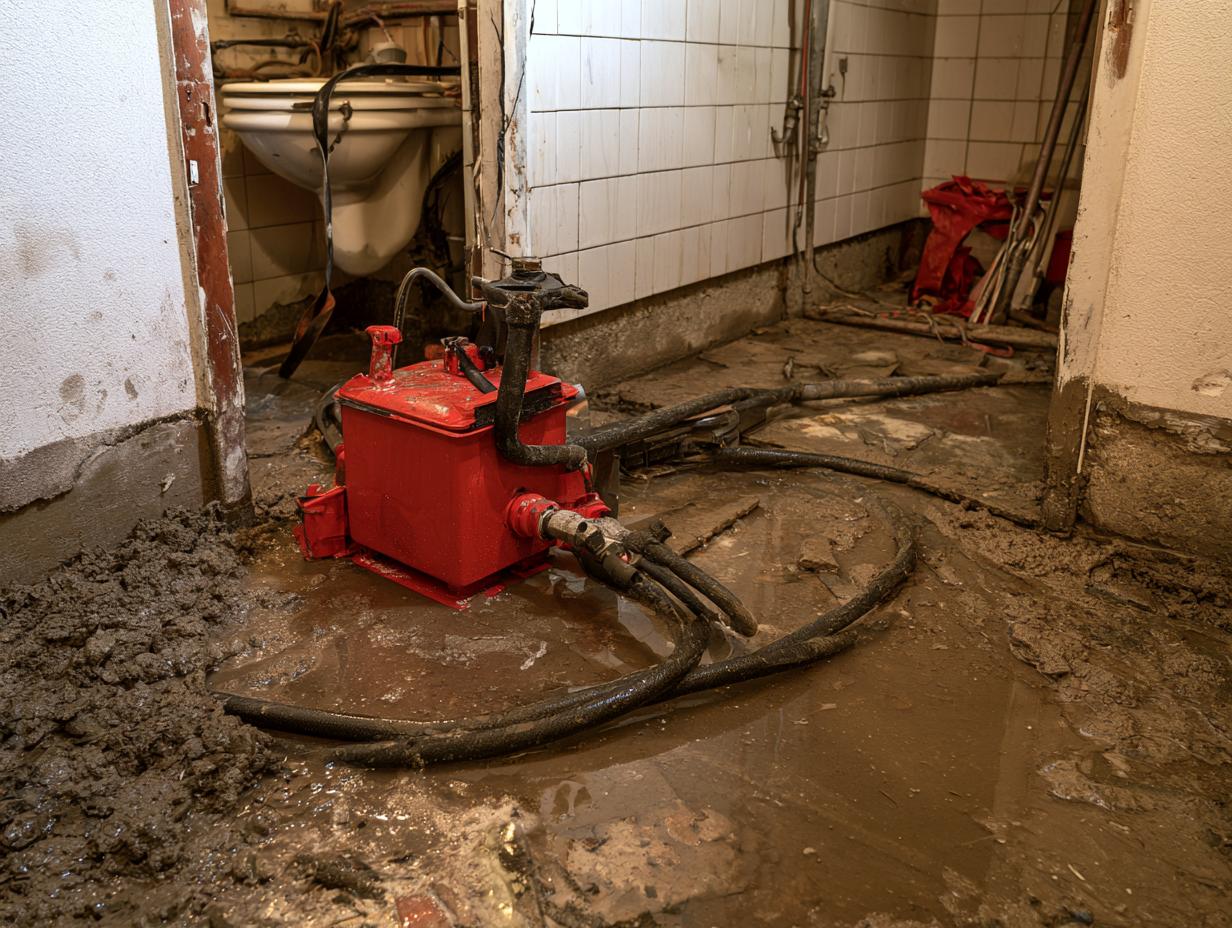
Close the main, open a low faucet to drain the lines, cut power to wet areas if the panel is dry and reachable, and photograph the damage. Then two calls: a plumber for the pipe, and a restoration company for the water. The second one matters more than people expect. Water from a burst line runs under flooring and into the crawl space, and the drying has to start right away. See burst & frozen pipes and standing water removal.
Freeze Patterns Around the Area
Older homes in Kennewick and central Richland mostly have crawl-space plumbing. Newer homes in Pasco and South Richland are more likely to route lines through exterior walls or above ceilings. Rural places like Connell and Finley add well houses and outbuildings. Whichever describes your house, the October walk-around covers it.
A Month-by-Month Water Damage Calendar for the Tri-Cities
What tends to go wrong each season, and the five-minute check that heads it off.
Water Damage in Manufactured Homes
Belly-board leaks, skirting and why water spreads differently.