Dry Inside the Walls, Not Just on the Surface
Water damage restoration covers everything after the standing water is removed: measuring where moisture went, drying the structure with air movers and dehumidifiers, removing materials that won't recover, cleaning, and rebuilding. In Richland's dry climate the visible surfaces dry quickly, so the real test is a moisture meter, not how the room looks.
A typical household leak takes three to five days of drying before repairs can begin. Larger losses, dense materials like hardwood and plaster, and soaked crawl spaces take longer.
Finding Where the Water Went
Before any equipment goes in, a contractor maps the damage:
- Pin and pinless moisture meters read drywall, framing, subfloor and flooring.
- Thermal imaging shows cool, damp areas behind walls and ceilings.
- Dry reference readings from an unaffected room set the target each material has to reach.
The map decides what gets dried in place and what comes out. It's also the record your insurer will want to see.
How the Job Runs
- Tear-out where needed. Wet carpet pad, insulation and the lower part of soaked drywall usually come out so the framing behind can dry.
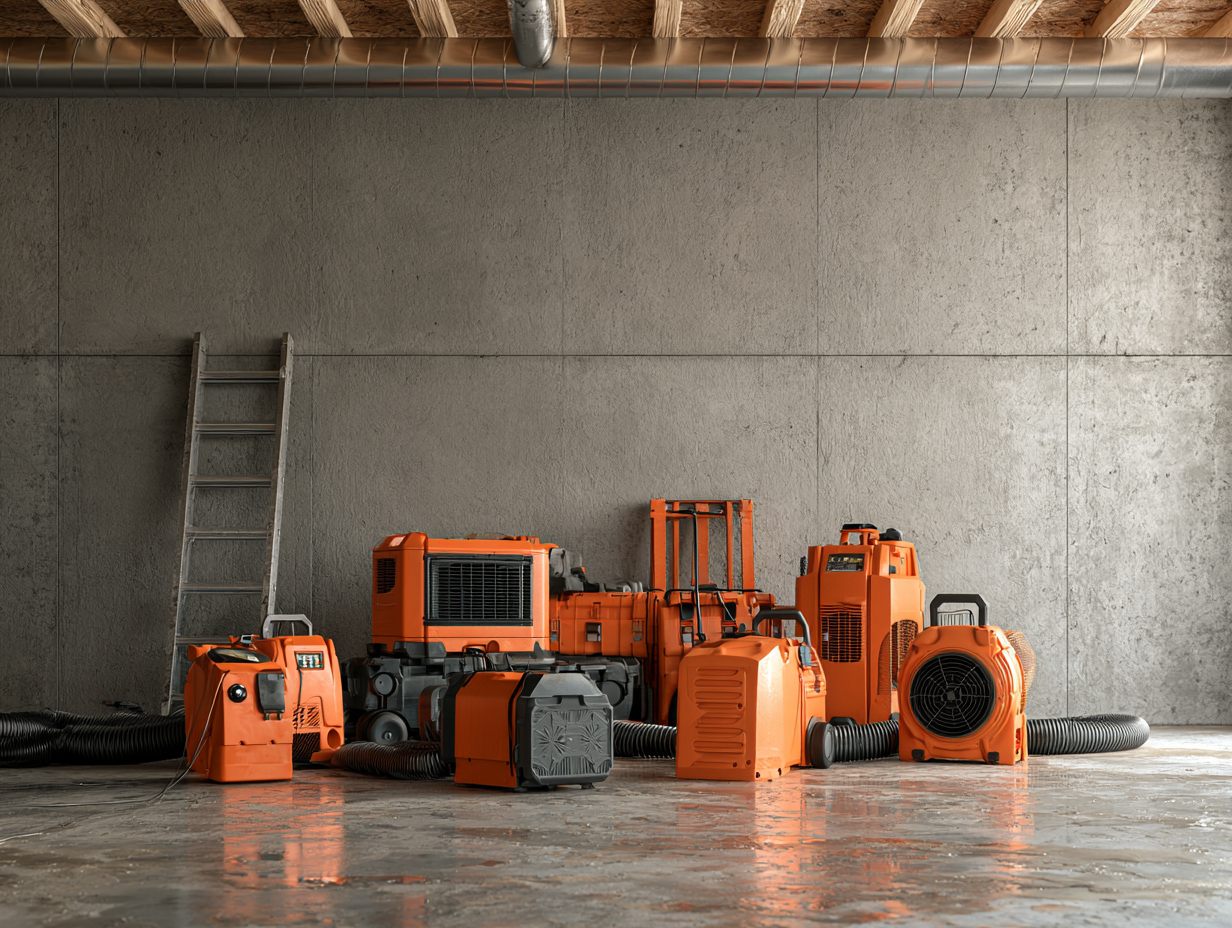
- Equipment setup. Air movers push air across wet surfaces; dehumidifiers pull the moisture out of that air. Wall cavities sometimes get drilled vents or injection drying.
- Daily readings. Each day the readings are compared to the dry targets, and equipment is moved or added.
- Cleaning. Surfaces touched by gray or black water are cleaned and sanitized.
- Rebuild. Drywall, insulation, flooring, trim, cabinets and paint go back in once the readings confirm the structure is dry.
What Can Usually Be Saved
| Material | Clean water, caught early | After a long wait or dirty water |
|---|---|---|
| Drywall | Often dried in place | Cut out above the wet line |
| Carpet | Sometimes dried and relaid | Discarded |
| Carpet pad | Usually replaced | Discarded |
| Hardwood | Often recovers with controlled drying | May cup or buckle for good |
| Plaster (older homes) | Usually dried in place, slowly | Repaired in sections |
| Particleboard cabinets | Rarely survives long soaking | Replaced |
| Insulation in walls | Usually removed if soaked | Removed |
Clean, Gray and Black Water
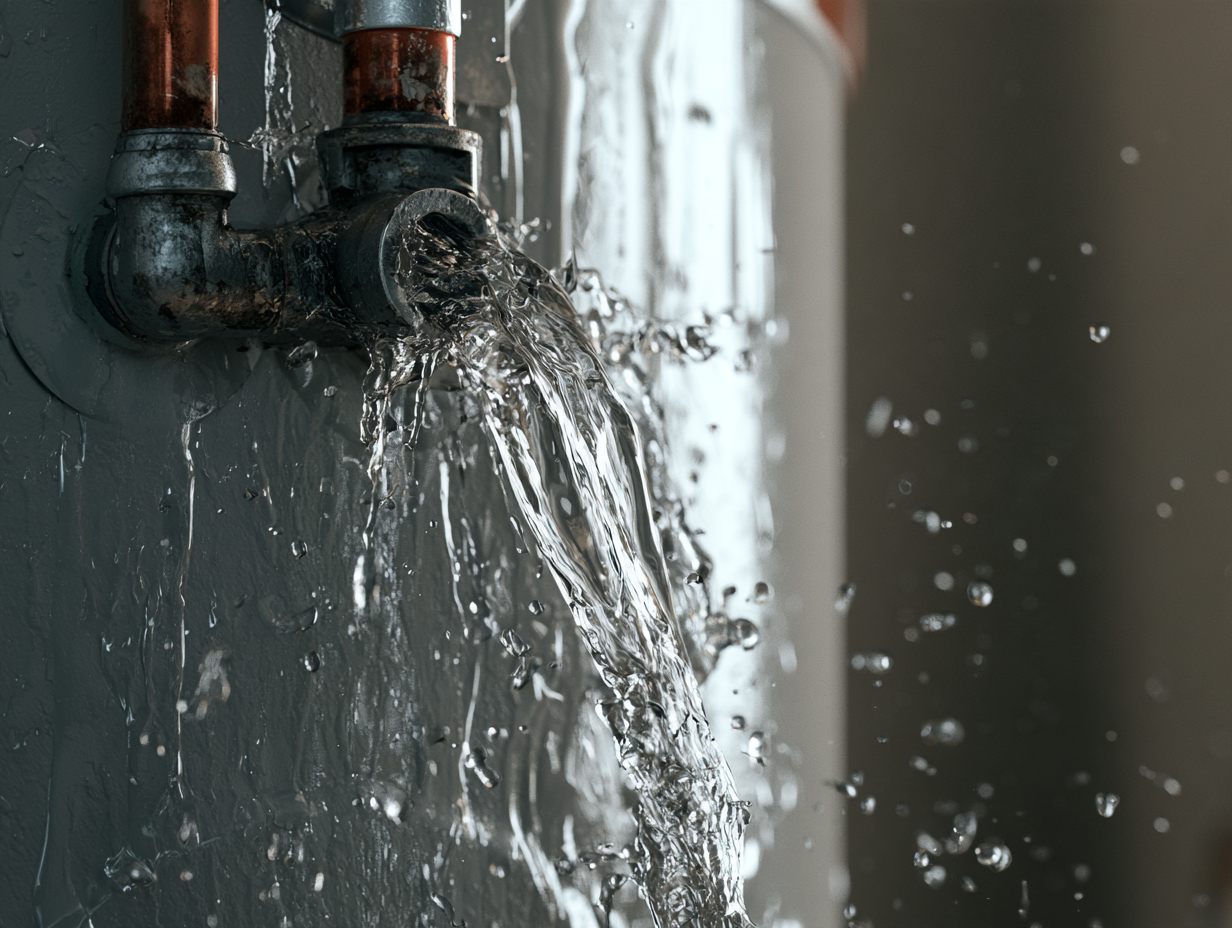
The source decides how the job is cleaned. Category 1 water comes from a supply line, faucet or water heater and is the lowest risk. Category 2 is gray water: washing machine or dishwasher discharge, or a toilet overflow without waste. Category 3 is black water: river floodwater or anything carrying sewage, and porous materials it touches are removed. Clean water doesn't stay clean; after a day or two in a warm house it can turn gray. More definitions are in the water damage glossary.
Ceilings and Upstairs Leaks
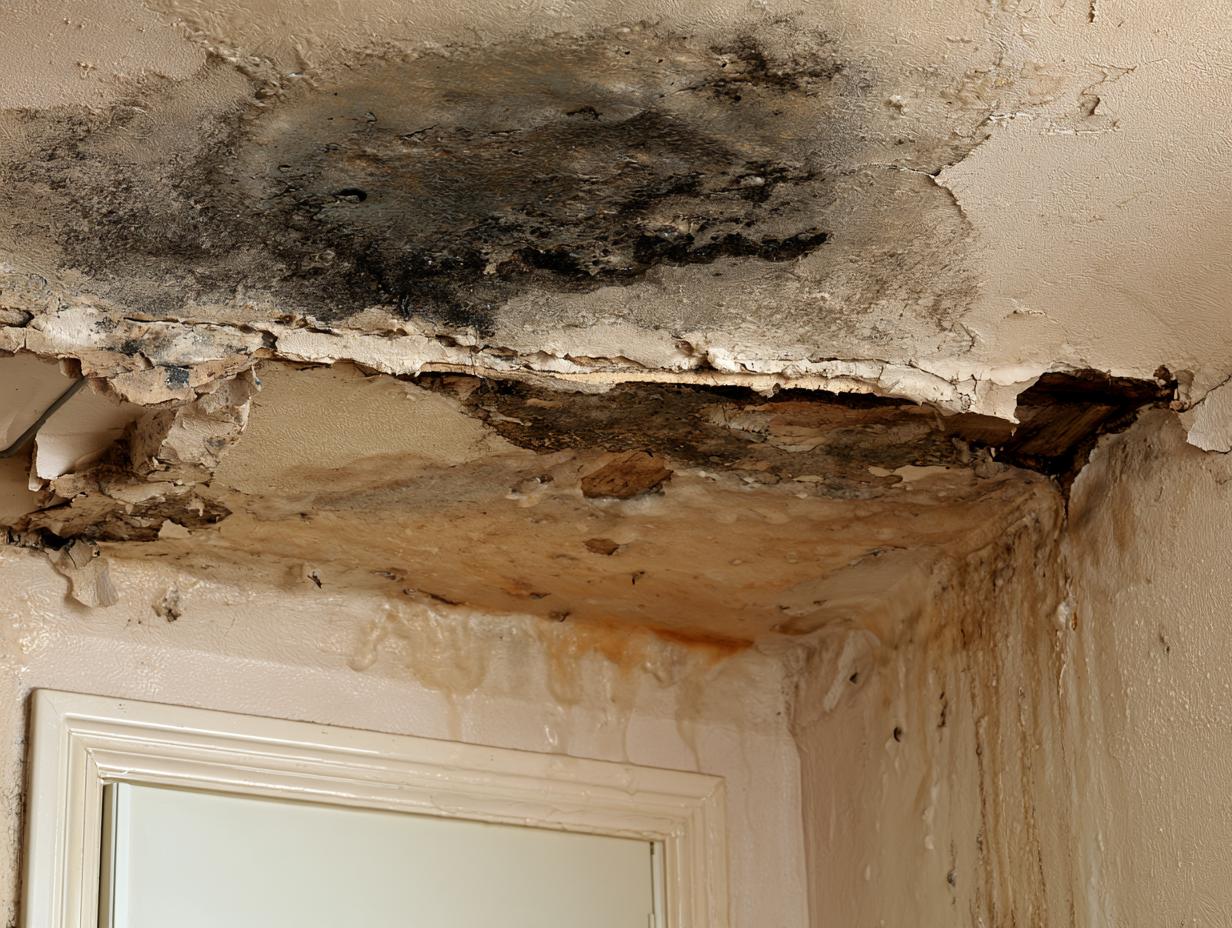
A leak from an upstairs bathroom, a water heater in the attic or snowmelt backing up at the eaves (ice dams and roof leaks) collects on top of the ceiling drywall until it stains, sags or gives way. Keep everyone out from under a sagging ceiling. Contractors usually drain it in a controlled way, open the wet section so the joists can dry, and patch it once the readings are good. In older homes with plaster, drying in place is often the better route: Alphabet Houses and mid-century plumbing.
Questions About Drying
Why does the equipment need to run for days?
Wood and drywall release water slowly. Shutting down early leaves moisture in the framing, which later shows up as odor, mold or flooring that lifts.
Will the house smell afterward?
Not if it's dried fully and anything soaked by dirty water is removed. A lingering musty smell usually means a wet spot was missed.
Drying and Repairs Across the Tri-Cities
Richland
Benton County
Franklin County & nearby: Pasco · Connell · Burbank · Franklin County
Related Reading
Why Dry-Climate Homes Still Get Mold After a Leak
Low humidity outside doesn't dry a soaked subfloor.
What Adjusters Look For After a Water Claim in Washington
Coverage basics, the evidence that matters, and why claims stall.
Want the overview for the whole city? See water damage in Richland.