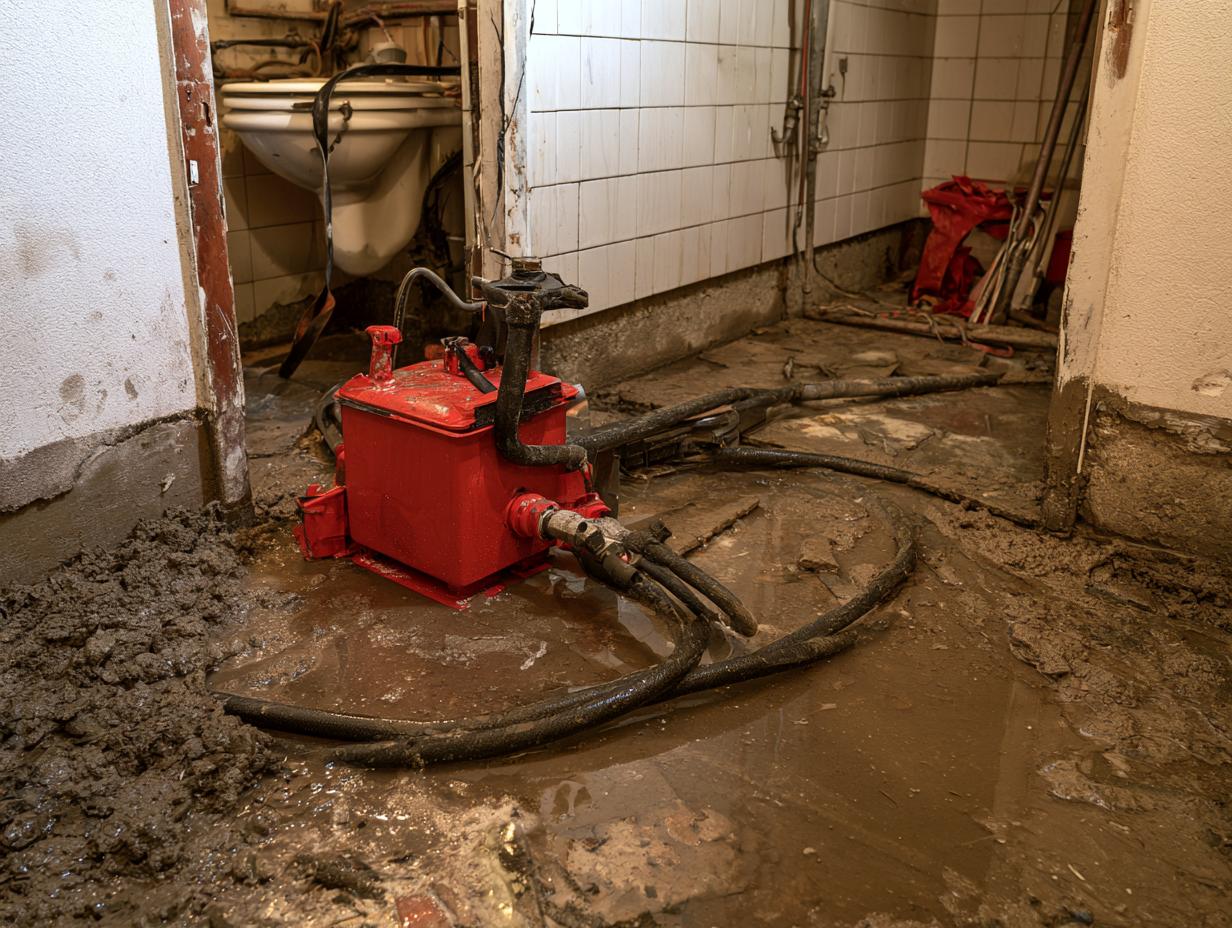
The vocabulary arrives with the drying equipment. Here's what the common terms mean, in plain language, grouped by where you'll hear them.
Kinds of Water
Category 1 (clean water). Water from a clean source: a supply line, faucet, water heater or ice-maker line. The lowest risk, and many materials can be dried in place if work starts quickly.
Category 2 (gray water). Water with some contamination: washing machine or dishwasher discharge, or a toilet overflow without waste. Porous materials it soaks are often removed.
Category 3 (black water). Unsanitary water: river or surface floodwater, or anything carrying sewage. Porous materials come out, and everything else is cleaned and disinfected.
Category drift. Clean water doesn't stay clean. After a day or two sitting in a warm house, Category 1 water can become Category 2.
Class of loss. How much water and how much wet surface area there is, and therefore how hard the drying will be. A small wet area of low-absorbency material is at the easy end; soaked hardwood, plaster or concrete is at the hard end.
On the Job
Extraction. Removing standing water with pumps, truck-mounted or portable extractors and wet vacuums. See standing water removal.
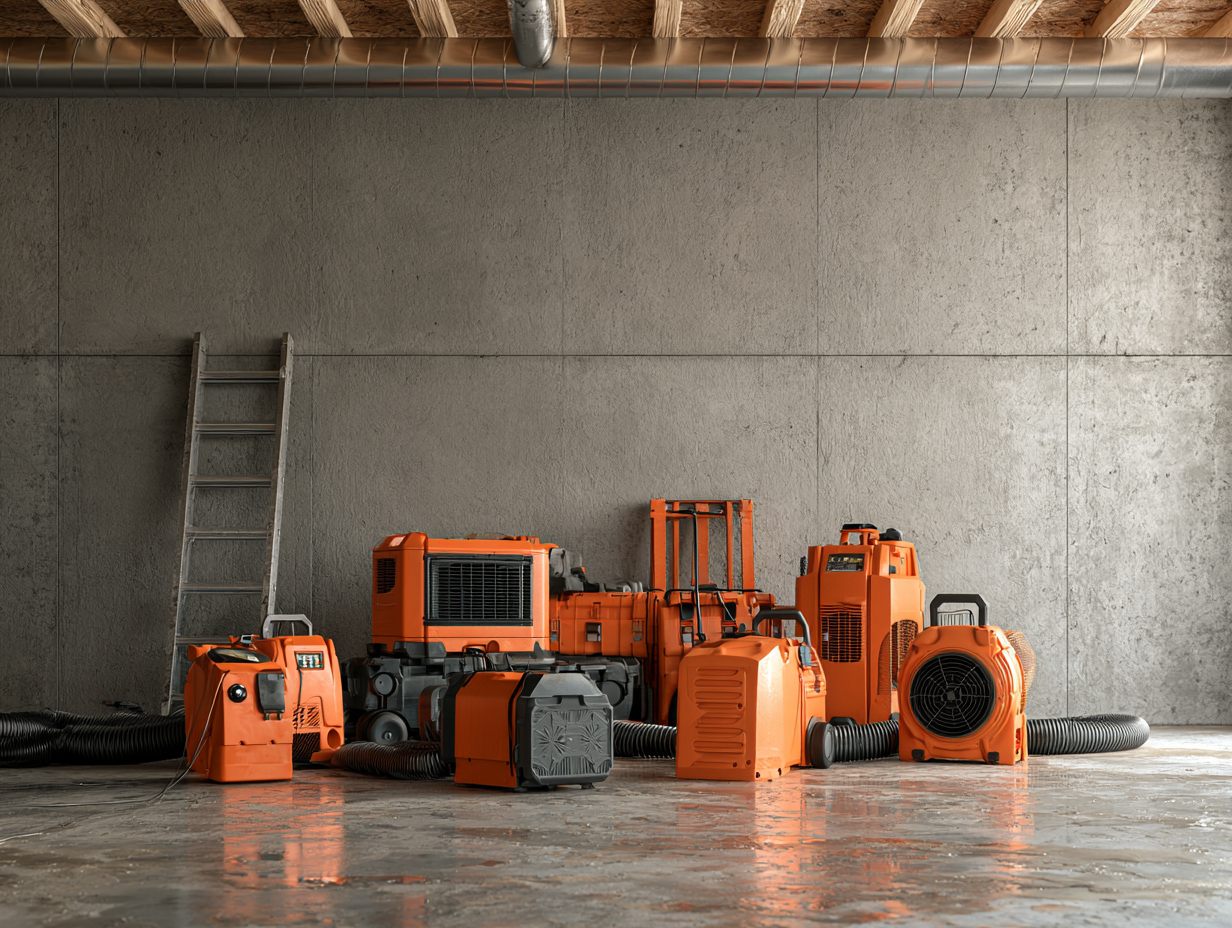
Air mover. A low, loud fan that blows air across wet surfaces to speed evaporation.
Dehumidifier. Pulls the evaporated moisture out of the air. Restoration units, often called LGR (low-grain refrigerant) dehumidifiers, remove far more water than household models.
Desiccant dehumidifier. Uses a moisture-absorbing material instead of cooling coils. Useful for dense materials and cold spaces.
Moisture meter. Reads how wet a material is. Pin meters push into the material; pinless meters read through the surface.
Thermal imaging. A camera that shows temperature differences. Damp areas behind walls and ceilings usually read cooler.
Moisture map. A sketch of the wet area with readings marked, updated as drying goes on.
Dry standard / dry goal. The reading a material has to reach to count as dry, usually taken from the same material in an unaffected room.
Equilibrium moisture content. The moisture level a material settles at in normal indoor air. Dried below or near this, it's back to normal.
Flood cut. Cutting drywall a set height above the waterline so the wall cavity can dry or be cleaned.
Antimicrobial. A treatment applied to affected surfaces, mainly after gray or black water.
Containment. Plastic sheeting that separates the work area from the rest of the house.
Paperwork and Insurance
Mitigation. Steps taken to stop damage from getting worse: shutting off water, extraction and drying. Policies expect it.
Restoration / rebuild. Repairs after drying: drywall, insulation, flooring, trim, paint.
Scope of work. The itemized list of what will be done. The insurer compares it with the damage. See what drives the cost.
Supplement. An addition to the scope when hidden damage turns up during the work.
Work authorization. The document that lets a company start. Read it before signing.
Assignment of benefits. A document that lets the company bill the insurer directly and sometimes act on the claim. Understand what you're signing over.
Deductible. The part of a covered loss you pay.
Replacement cost / actual cash value. New-for-old versus depreciated value.
Sudden and accidental. The phrase most policies use for covered water damage. More in what adjusters look for.
Around the House
Crawl space. The shallow space under many Tri-Cities homes. Water from a leak above often ends up here. See where water hides.
Vapor barrier. The plastic sheeting over crawl-space soil. Water pools on top of it.
Main shutoff. The valve that stops water to the whole house, usually where the line comes in.
Supply line. The flexible line from the wall valve to a toilet, faucet or appliance.
Condensate line. The drain for water an air conditioner or furnace produces. When it clogs, it overflows.
Belly board (bottom board). The underside covering of a manufactured home, which holds insulation and hides plumbing. See manufactured homes.
A Few Local Words
Kiona gauge. The Yakima River gauge near Benton City that the area watches for flood stages. See Yakima River flooding.
Irrigation water. Separate water many Tri-Cities neighborhoods get for lawns and gardens, turned on in spring and off in fall.
L&I. Washington's Department of Labor & Industries, where contractors register. Its Verify a Contractor tool shows registration, bond and insurance; see How It Works.
For everything else, the water damage in Richland page is the place to start.
What Drives the Cost of Water Damage Cleanup
The factors behind the bill, and how to read a scope of work.
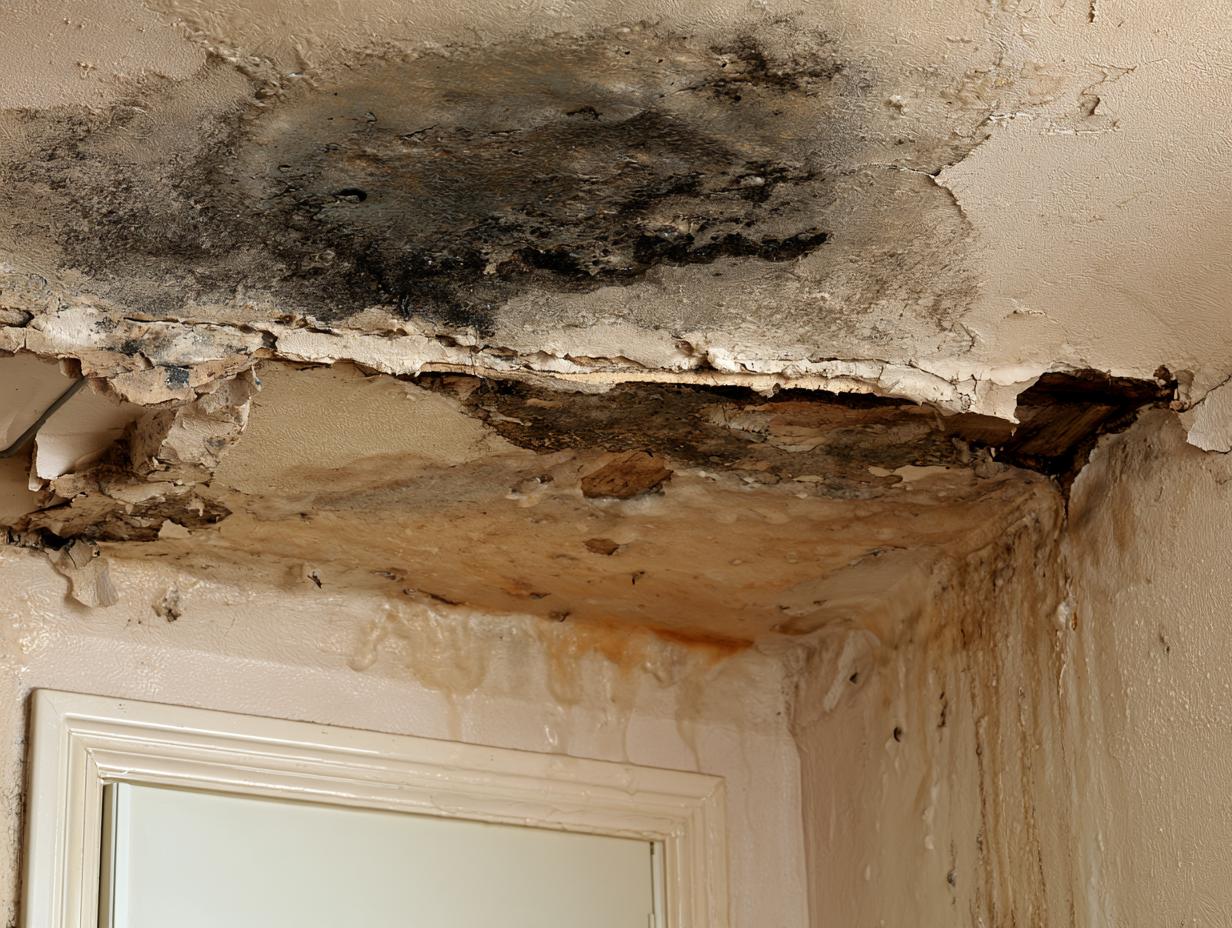
Why Dry-Climate Homes Still Get Mold After a Leak
Low humidity outside doesn't dry a soaked subfloor.