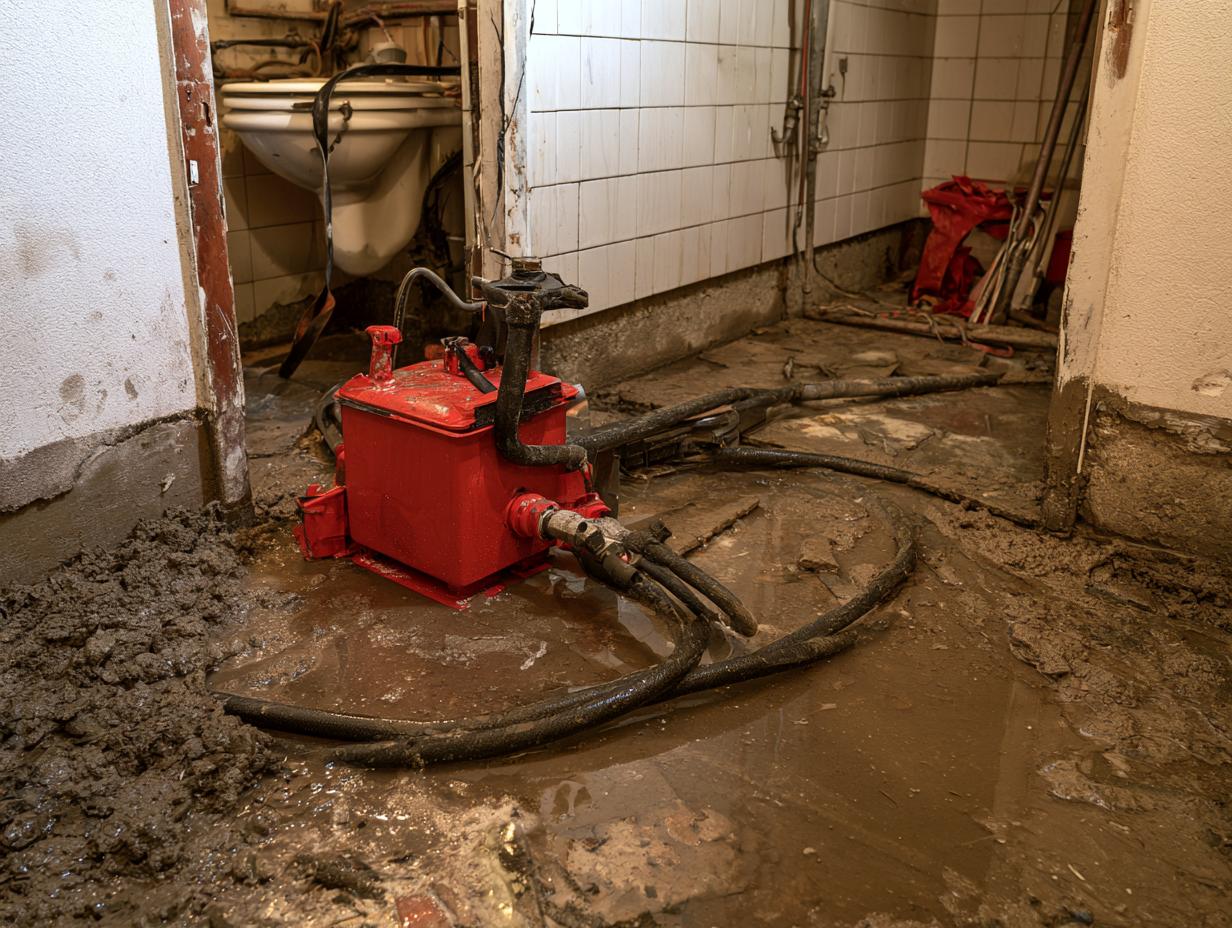
Manufactured homes are common in Finley, Burbank, Benton City and around the edges of the Tri-Cities. They're built differently from site-built houses, and water damage behaves differently in them. The plumbing runs under the floor inside an enclosed belly, the subfloor is often particleboard, and a leak can spread a long way before it shows. Here's what to know.
How the Plumbing Is Laid Out
In most manufactured homes, the water supply and drain lines run underneath the floor, inside the belly: the space between the floor joists, closed in by a fabric or plastic bottom board (also called a belly board) and filled with insulation. Around the outside, skirting closes off the space between the home and the ground. That arrangement keeps pipes protected and out of sight, which is exactly why leaks in the belly go unnoticed.
Why Do Pipes Freeze Under Manufactured Homes?
Because the belly depends on the skirting and the bottom board to keep cold air out. When a skirting panel is loose or missing, the bottom board is torn, or rodents have opened holes, freezing air reaches the supply lines. Many homes rely on heat tape on the main water line where it comes up from the ground; heat tape that quietly stopped working is a common cause of a frozen line. Wind across open rural lots makes all of this worse.
Signs of a Leak in the Belly
- A sagging or bulging bottom board, sometimes heavy with water
- Soft spots in the floor, especially near the kitchen, bathroom or water heater closet
- Floor seams that lift or vinyl that bubbles
- A musty smell from heat registers, since ductwork often runs through the belly too
- Water dripping from the underside or pooling at the skirting
- A water bill or well pump that says water is going somewhere
Why Particleboard Floors Matter
Many manufactured homes, especially older ones, have particleboard subfloors. Particleboard swells and loses strength when it soaks up water, and unlike plywood it usually doesn't recover once it has swollen. That means a slow leak under a bathroom or kitchen often ends with sections of floor being replaced, not just dried. Catching it early is the difference.
How Drying Works Under a Manufactured Home
- Shut off the water and find the source.
- Open the bottom board at the wet area to drain trapped water and pull out soaked insulation.
- Pump out any water pooled on the ground under the home.
- Dry the joists and subfloor from below with air movers and dehumidifiers, and from above where flooring is lifted.
- Replace swollen particleboard, insulation and the bottom board patch, then repair the floor covering.
Ductwork in the belly may need cleaning or replacing if water reached it. The drying principles are the same as any home: see drying & restoration and standing water removal.
Prevention Checklist
| Check | When |
|---|---|
| Walk the skirting; replace loose or missing panels | Every fall |
| Test the heat tape on the main line | Every fall, and after any power outage in winter |
| Look for torn bottom board and rodent holes | Twice a year |
| Check the water heater closet floor for softness | Twice a year |
| Replace old supply lines under sinks and toilets | Every several years |
More winter prep is in winterizing a Tri-Cities home.
Around the Area
Manufactured homes are most common on the rural lots in Finley and Burbank, around Benton City, and in parks around Pasco and Kennewick. Restoration companies serving these areas are used to working under the home. Start from the water damage in Richland page for the rest.
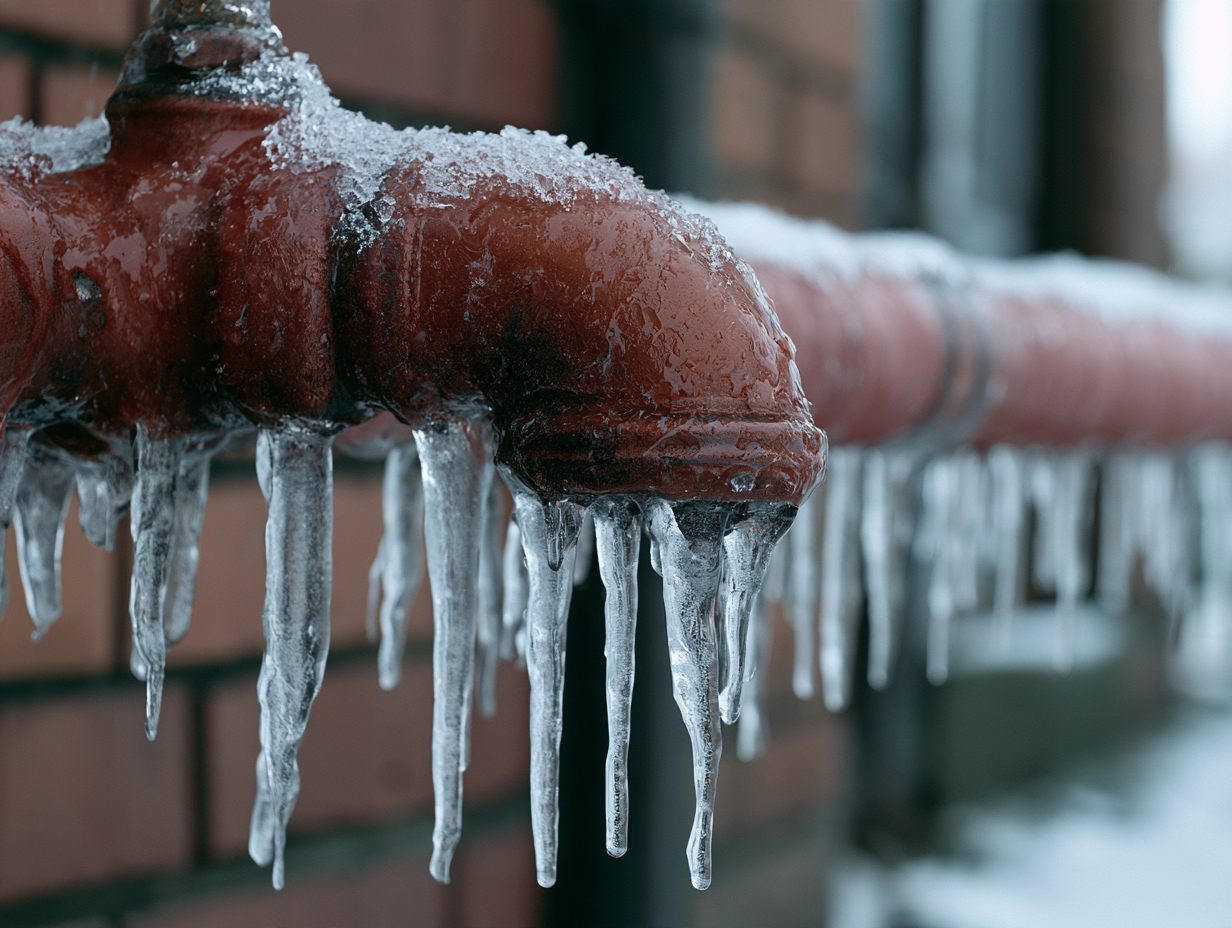
Winterizing a Tri-Cities Home: Pipes, Hoses and Crawl Spaces
A fall checklist for the spots that freeze first in local houses.
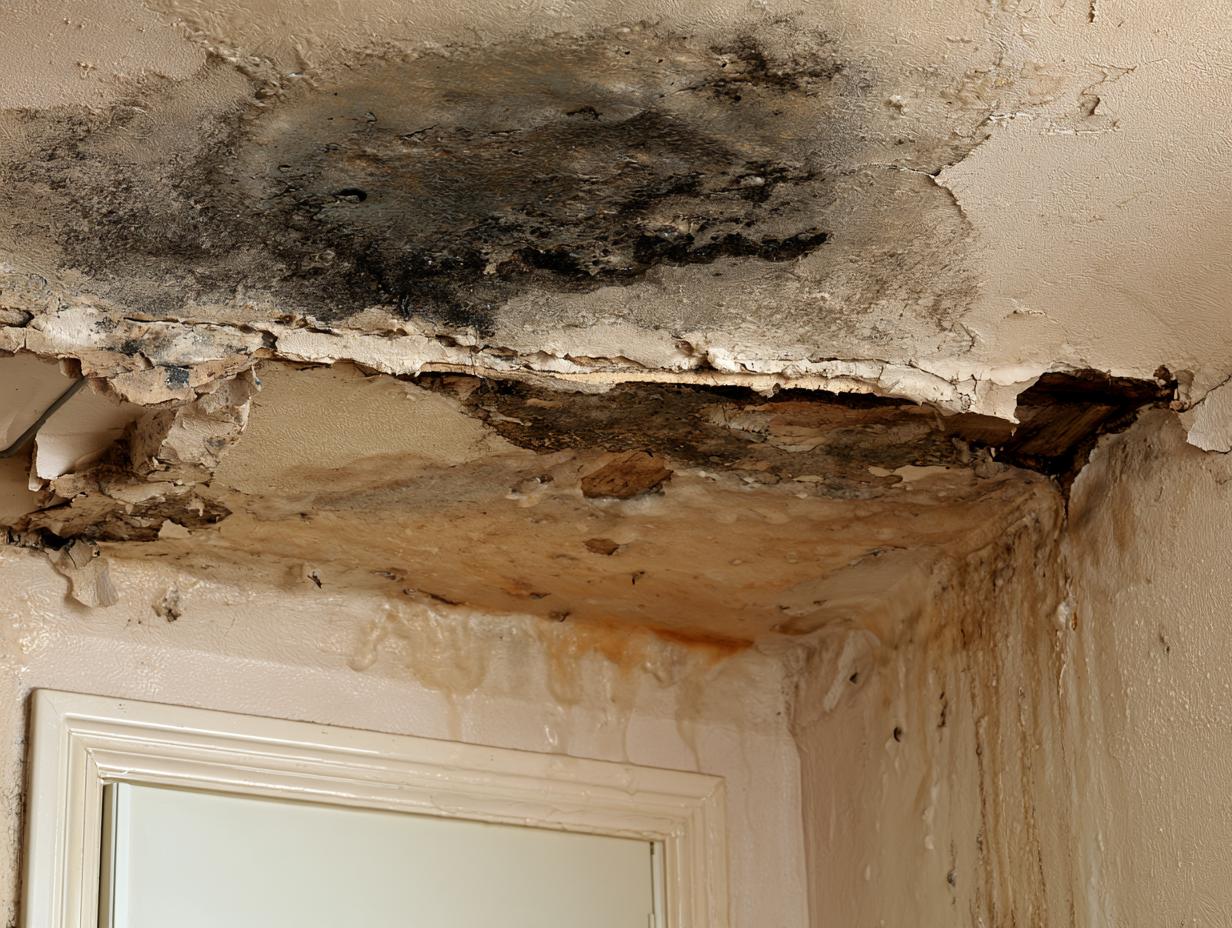
Why Dry-Climate Homes Still Get Mold After a Leak
Low humidity outside doesn't dry a soaked subfloor.