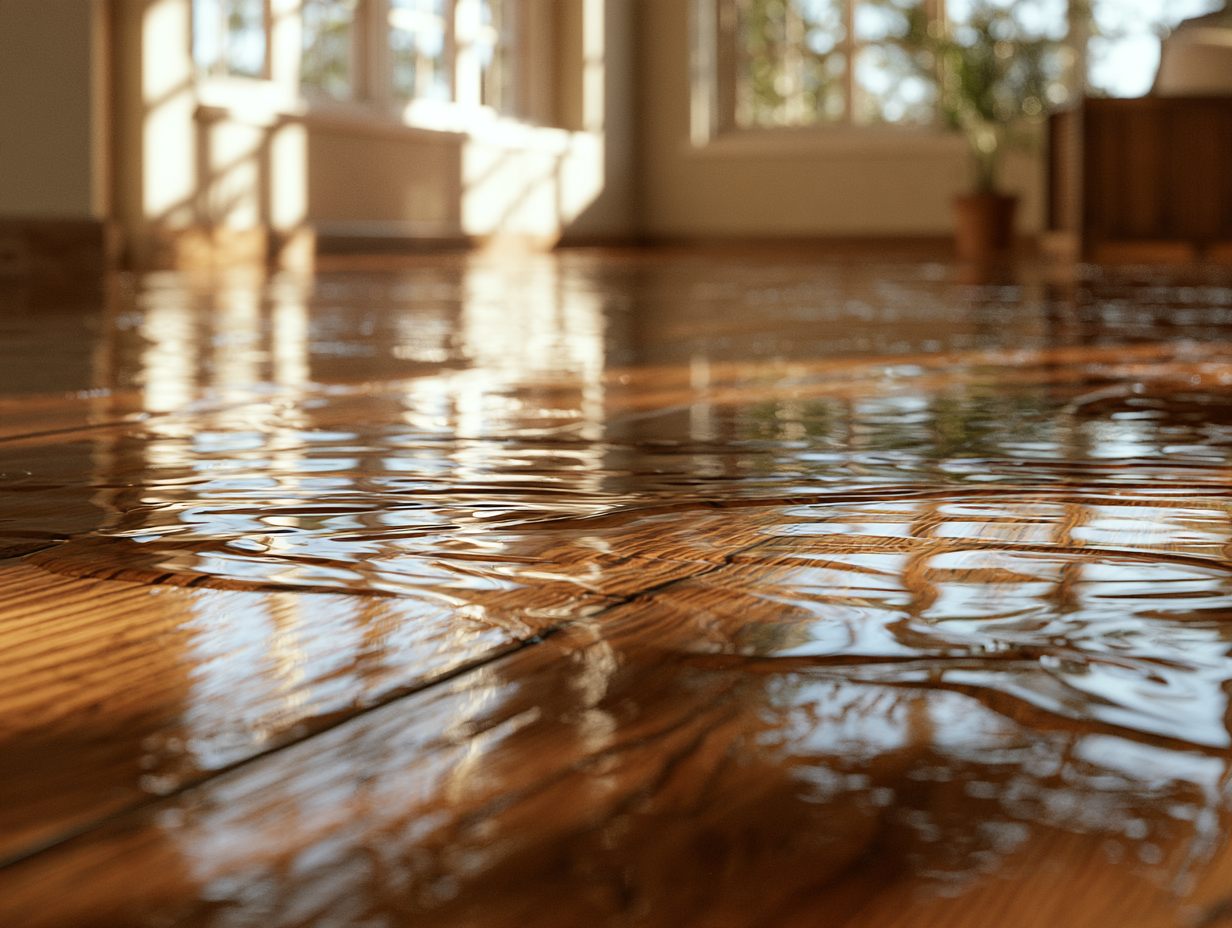
In a place with about 8 inches of rain a year, most of the water in a Tri-Cities yard arrives through pipes. Many neighborhoods get separate irrigation water for lawns and gardens, switched on in spring and off in fall, and nearly every yard has sprinkler lines. When one of those lines cracks near the house, the water doesn't stay in the yard.
How Does a Yard Leak Get Under the House?
Water from a broken line close to the foundation soaks the soil beside the house, then follows the easiest path: through the foundation vents and gaps into the crawl space, under a garage slab, or along a basement wall where there is one. Because irrigation runs on a timer, often at night, a break can soak the ground for days before anyone notices anything inside. A crawl space with standing water and a dry summer outside is a strong clue.
Where Lines Usually Break
- Near the valve box, where several lines come together
- At the first sprinkler head off a lateral line, often hit by a mower or a car tire
- Where lines cross a driveway or walkway edge
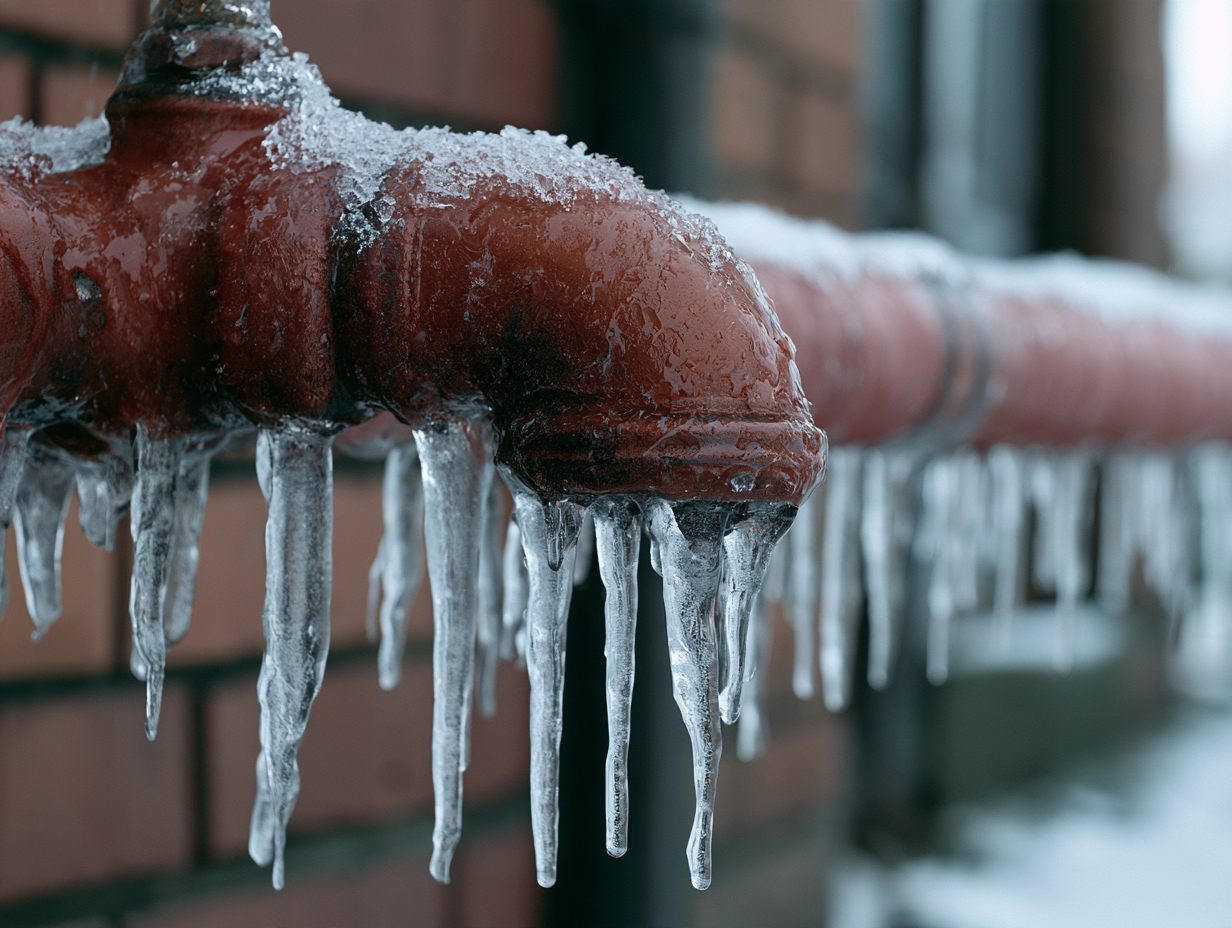
- Lines that weren't blown out in fall and froze over winter, which show their cracks when the water comes back in April
- Old poly or PVC that has become brittle in the sun and heat
Signs to Watch For
- A patch of lawn that's greener, softer or soggy when everything else is dry
- Water bubbling up or pooling near a head or the valve box
- Sprinkler zones with weak pressure
- Standing water or a musty smell in the crawl space during summer
- Damp spots along the garage slab edge
- A higher water bill, if the irrigation runs through the house meter
Finding the Leak
- Run one zone at a time and walk the yard. A break usually shows within minutes.
- Look at the valve box. Weeping valves are common.
- Check the crawl space with a flashlight while the zone nearest the house runs.
- Watch the meter. If your irrigation is on the house meter, it shouldn't move with every zone and tap off.
What to Do About the Water
Shut the irrigation off at the valve or controller first. If water reached the crawl space, it needs to be pumped and the space dried with a dehumidifier; wet insulation on the underside of the floor usually comes out. Water under a garage slab often wicks into the drywall of the next room. See standing water removal and, when the water came from outside, river & groundwater flooding.
How Do You Prevent Irrigation Leaks?
Have the lines blown out with compressed air every October when the water shuts off; it's the biggest single step. In spring, run each zone and walk it before the summer schedule starts. Keep sprinkler heads and lines a few feet away from the foundation where you can, and aim heads away from the house so they don't soak the soil against it. Replace brittle lines and leaking valves when you find them, not next season.
Is It Covered by Insurance?
It depends on the policy and the source. Water from a sudden break that damages the house may be covered; slow leaks and surface water seeping into a crawl space are often excluded. Read what adjusters look for before you file.
Around the Area
Irrigated lots are everywhere in the Tri-Cities, from South Richland and Pasco to farm properties around Connell and Benton City. Start from the water damage in Richland page for the rest.

Where Water Hides in Tri-Cities Homes
Crawl spaces, slab edges, wall cavities and attics: where leaks go unseen.
A Month-by-Month Water Damage Calendar for the Tri-Cities
What tends to go wrong each season, and the five-minute check that heads it off.