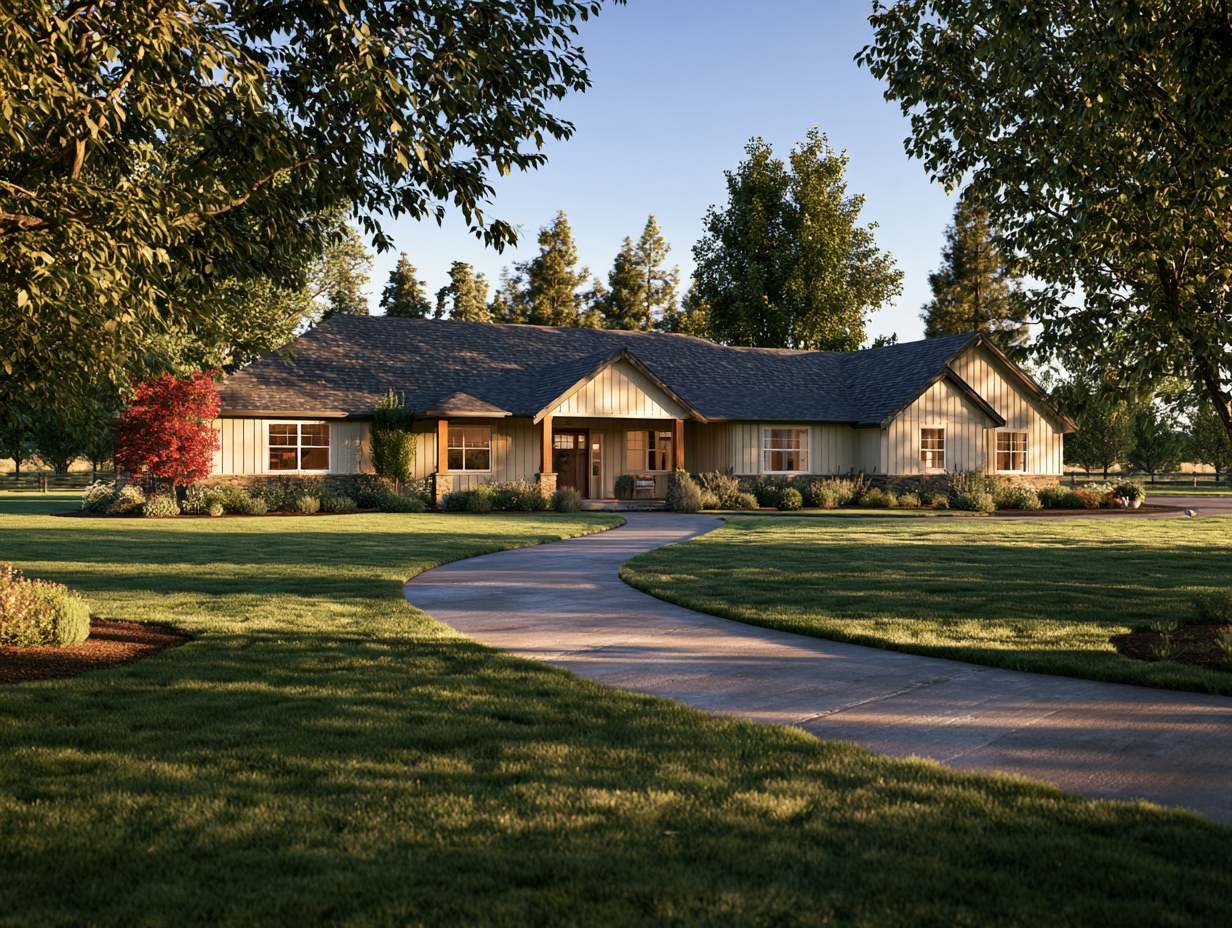
Richland has one of the most unusual housing histories in the country. Much of the original city was built by the federal government in a hurry, starting in 1943, to house workers at the Hanford site. Many of those homes, along with the ranch houses built in the decades after, are still lived in today. They're solid, practical houses, but their age shows in one place more than any other: the plumbing.
What Are Richland's Alphabet Houses?
They're government-built homes from the Hanford era, named for the letters assigned to architect Gustav Pehrson's 22 floor plans, from small duplexes to larger single-family homes. Construction began in 1943, and about 1,600 were finished by early 1944. Residents rented them from the government until the homes were sold to private owners, a process completed by 1960. The Gold Coast Historic District, a neighborhood full of them, is listed on the National Register of Historic Places.
Today, many Alphabet Houses have been renovated several times, often by different owners using different materials. That patchwork is part of what makes water damage in these homes tricky.
Five Reasons a Leak Here Is Bigger Than It Looks
Older homes combine aging pipes, crawl spaces that hide water, and generations of repairs:
- Original or early pipe. Galvanized steel and early copper corrode with age, and joints and fittings fail first.
- Crawl spaces. Water from a leak drops below the floor, out of sight, and soaks insulation and framing.
- Mixed materials. Decades of remodels can leave plaster next to drywall, hardwood under carpet and several layers of flooring, which all dry differently.
- Older water heaters tucked into closets or utility rooms inside the living space, where a tank failure hits finished floors.
- Limited insulation around pipes in crawl spaces and exterior walls, which raises the freeze risk.
Leak in an older home?
Describe it to a Tri-Cities restoration company: (509) 410-6873.
Call (509) 410-6873Signs of a Hidden Leak in an Older Home
- A musty smell from floor registers or closets
- Floorboards that feel soft, or hardwood that starts to cup
- Stains on ceilings below a bathroom
- Paint or plaster that bubbles or flakes near the floor
- A higher water bill with no change in use
- Damp insulation or standing water in the crawl space
Drying Plaster, Old Hardwood and Layered Floors
Older materials can often be saved, but they need careful handling.
Plaster is dense and slow to dry, and it's harder to replace than drywall. Contractors often dry plaster walls in place with targeted airflow and dehumidification instead of cutting them out.
Old-growth hardwood can usually recover from clean water if drying starts quickly and is controlled. Rushing it with too much heat can cause cracking.
Layered flooring, for example vinyl over hardwood or carpet over vinyl, traps water between the layers. The top layer often has to come up so the floor underneath can dry.
A contractor will take moisture readings in each material and set up drying to match. That's slower than throwing everything out, but it can save original materials that are hard to replace. See drying & restoration.
What About Asbestos and Lead Paint?
Homes of this age may contain materials such as older flooring, ceiling texture or pipe insulation that include asbestos, and many have lead paint under newer layers. Don't sand, scrape or cut suspect materials after water damage. A qualified contractor will test before disturbing them and follow the required precautions.
Protecting Older Plumbing
- Insulate crawl-space pipes and close vents in hard freezes. See winterizing a Tri-Cities home.
- Have a plumber look at original pipe if you see rust-colored water, low pressure or repeated pinhole leaks. Replacing aging lines on your schedule beats an emergency.
- Replace old water heaters before they fail, and add a drain pan if the tank sits in a finished space.
- Check the crawl space twice a year for standing water, damp insulation or drips.
- Know where the main shutoff is. In older homes it can be in an unexpected spot.
A Quick Crawl-Space Check You Can Do
Twice a year, ideally in late fall and early spring, take a flashlight and look into the crawl space from the access hatch:
- Is the vapor barrier dry, or is water pooled on it?
- Is the insulation between the joists dry and in place, or sagging and dark?
- Are there drips from pipes, fittings or the bottom of the water heater?
- Do you smell anything musty or sour?
- Are the vents open or closed for the season?
You don't need to crawl in to spot most problems. If something looks wet, call a plumber for the leak and a restoration contractor for the water.
Beyond the Alphabet Houses
The same advice applies to Richland's ranch homes from the 1950s through the 1970s, to central Richland generally, and to similar neighborhoods in Kennewick and Prosser. Many have crawl spaces, original water lines and water heaters in garages or utility rooms. Burst pipes and tank failures are among the most common losses: see burst & frozen pipes and water heater & appliance leaks.
Found water in an older Richland home? A restoration company that knows how to dry plaster and old wood makes the difference: (509) 410-6873. More on the water damage in Richland page.

Where Water Hides in Tri-Cities Homes
Crawl spaces, slab edges, wall cavities and attics: where leaks go unseen.
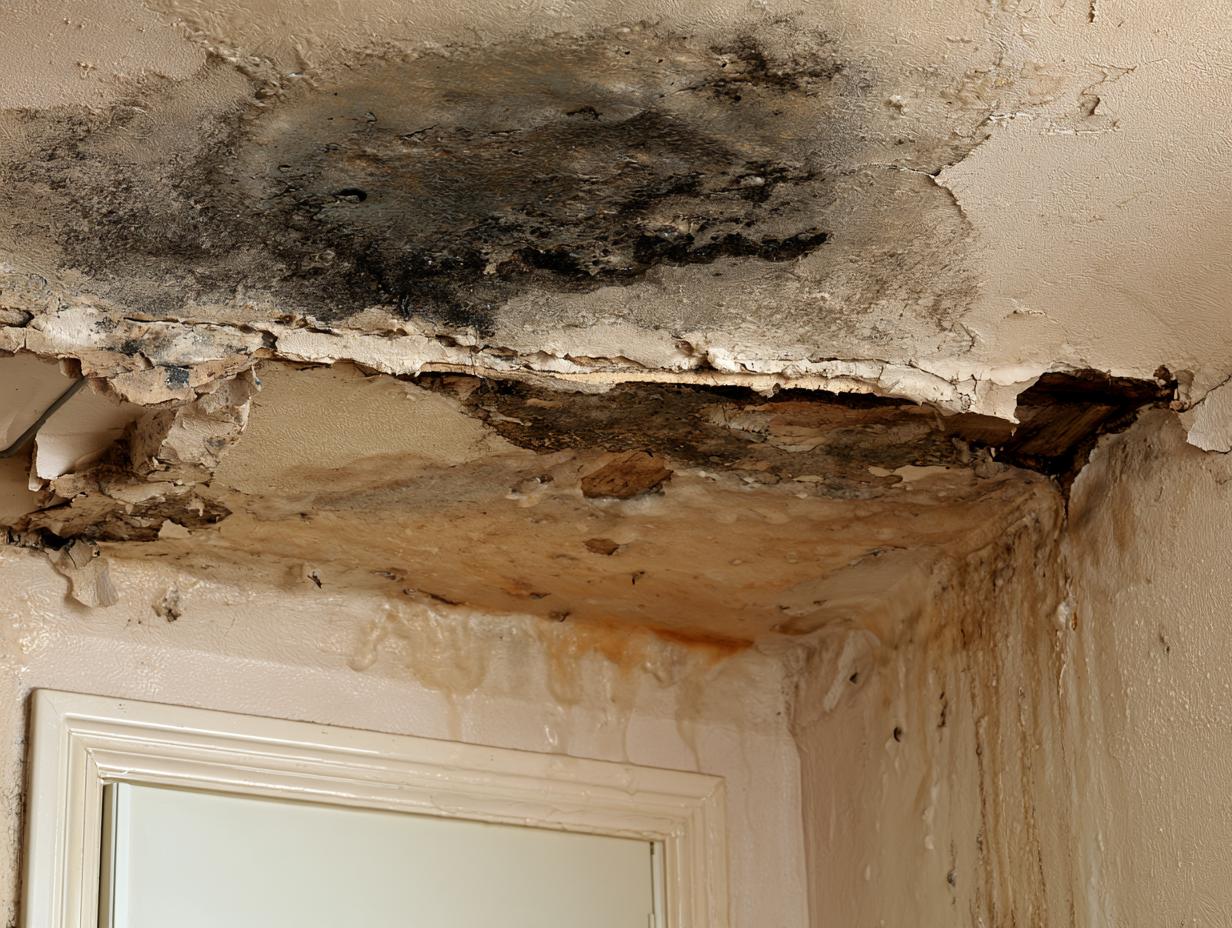
Why Dry-Climate Homes Still Get Mold After a Leak
Low humidity outside doesn't dry a soaked subfloor.