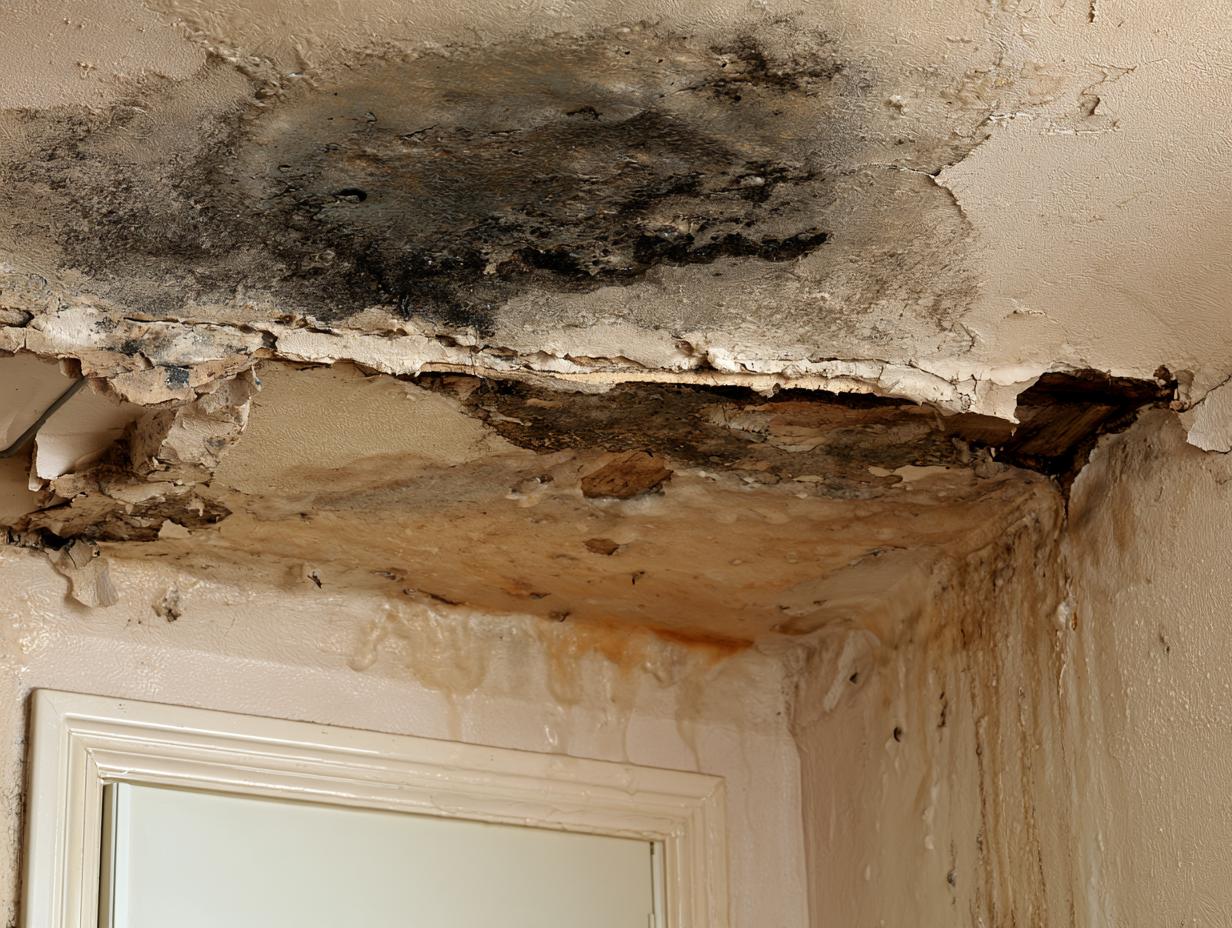
A lot of Tri-Cities housing is rented: single-family homes, duplexes, apartments near campuses and job centers. When water damage hits a rental, the questions multiply. Who calls whom? Who pays? How fast does it have to be fixed? This is a general overview based on Washington's Residential Landlord-Tenant Act (RCW 59.18). It isn't legal advice, and the law and your lease are what count.
Who Is Responsible for Fixing Water Damage in a Washington Rental?
Generally the landlord. Washington law requires landlords to keep a rental fit to live in and to repair plumbing, structural and other defects that aren't the tenant's fault. Tenants are responsible for damage they or their guests cause through carelessness, and for reporting problems promptly. When a tenant's negligence caused the leak, for example a bathtub left running, the cost can shift to the tenant.
How Fast Does the Landlord Have to Act?
Under RCW 59.18.070, after written notice from the tenant, the landlord must begin repairs within set periods:
| Problem | Repairs must begin within |
|---|---|
| No hot or cold water, heat or electricity, or a condition imminently hazardous to life | 24 hours |
| Loss of use of a refrigerator, range and oven, or a major plumbing fixture the landlord supplied | 72 hours |
| Everything else | 10 days |
An active leak causing ongoing damage is usually treated as urgent in practice, whatever category it falls into. Check the current statute or a tenant or landlord resource for the details that apply to you.
Water spreading in a rental right now?
Shut off the water, tell the owner, ring (509) 410-6873.
Call (509) 410-6873What Tenants Should Do
- Stop the water if you can safely reach the shutoff.
- Tell the landlord or manager right away, by phone, then in writing (text or email counts as a record; follow your lease's notice rules).
- Photograph the water, the source and your damaged belongings.
- Move your things out of the wet area.
- Call your renters insurance about your belongings.
Tenants usually shouldn't hire a restoration company for the building themselves without the owner's agreement, since the owner's insurer and the owner make those decisions. In a true emergency with no response, document your attempts to reach the owner.
What Landlords Should Do
- Get the water stopped and removed quickly. Delays turn a drying job into a rebuild and can make the unit uninhabitable.
- Document with photos and the restoration company's moisture logs.
- Notify your insurer. The building and your fixtures fall under the landlord policy.
- Talk to the tenant about access for drying equipment, which is loud and runs continuously for several days.
- Fix the cause: the pipe, the hose, the tank.
See standing water removal and drying & restoration.
Whose Insurance Pays for What?
| Item | Usually covered by |
|---|---|
| Building: walls, floors, cabinets, built-in fixtures | Landlord's policy |
| Tenant's furniture, clothing, electronics | Tenant's renters insurance |
| Tenant's temporary housing if the unit is unlivable | Often renters insurance (loss of use) |
| Landlord's lost rent | Landlord's policy, if it includes loss of rents |
Without renters insurance, a tenant's damaged belongings are usually the tenant's loss unless the landlord was negligent. More on how adjusters approach water claims: what adjusters look for.
Preventing It in the First Place
For landlords, a short checklist at each turnover catches most problems: supply lines behind toilets and faucets, washer hoses, the water heater's age, the crawl space, and hoses disconnected before winter. Tenants can help by reporting drips early and keeping the heat on during cold snaps. The winterizing checklist is a good handout.
Rentals Around the Area
Rental homes are common in Pasco, Kennewick and central Richland. The same Washington rules apply in West Richland and the smaller towns. Everything else is on the water damage in Richland page.
What Adjusters Look For After a Water Claim in Washington
Coverage basics, the evidence that matters, and why claims stall.
How Old Is Your Water Heater? Reading the Label
Decoding serial numbers and the signs a tank is near the end.