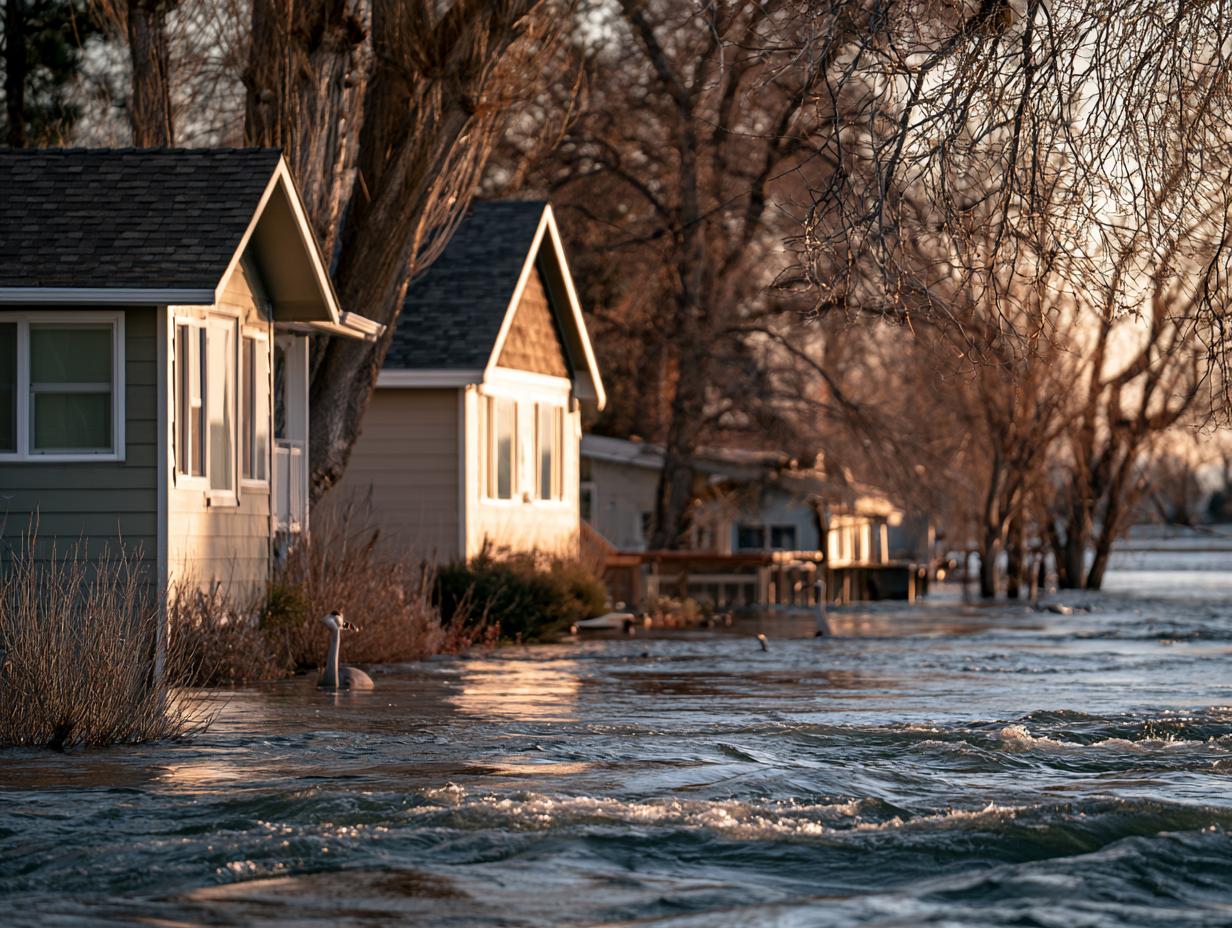
Most water damage in the Tri-Cities comes from pipes and appliances. Along the lower Yakima River, there's one more risk to plan for. When heavy rain falls on mountain snow upstream, the river can rise fast, and low-lying properties in West Richland, Benton City and Prosser can take on water. Here's how to read the river, prepare, and clean up safely if it reaches your home.
When Does the Yakima River Flood Near the Tri-Cities?
Flooding near the Tri-Cities usually comes in winter or early spring, when a warm storm drops rain on snow in the Cascades and the runoff arrives downstream a day or two later. The gauge most people watch is the Yakima River at Kiona, near Benton City. Its flood stage is 13 feet, moderate flooding starts at 14.5 feet, and major flooding at 16 feet.
The February 1996 flood pushed the Kiona gauge to about 21 feet and damaged the old Horn Rapids Dam, which was replaced with a concrete structure the next year. More recent high water was reported as the highest near the Tri-Cities in almost 30 years, closing Van Giesen Street into West Richland.
Who Is Most at Risk?
Properties on low ground close to the river carry the most risk: homes, shops and pastures in parts of West Richland, around Benton City and along the river near Prosser. Garages, outbuildings, crawl spaces and wells near the water are usually affected first. If you're not sure, look up your property on FEMA's flood maps and ask your city or county about local flood history.
How to Prepare Before High Water
- Check your insurance. Standard homeowners policies don't cover flooding. Flood insurance is a separate policy, and new policies usually have a waiting period.
- Watch the gauge for the Yakima at Kiona and local emergency alerts when a warm, wet storm is forecast.
- Move valuables up. Get documents, electronics and keepsakes off the floor in garages, shops and lower levels.
- Protect the well. Make sure the wellhead is sealed and know how to shut off the pump.
- Know your shutoffs for water, power and gas.
- Clear drainage around the house so rain and snowmelt can get away from the foundation.
Is Floodwater Dangerous?
Yes. River floodwater is Category 3 water: it can carry sewage, farm runoff, fuel, chemicals and debris. Treat anything it touches as contaminated. Wear waterproof boots and gloves, keep children and pets away, and wash your hands well after any contact. If water reached outlets or the electrical panel, don't go in until the power is off and an electrician has checked it.
Flood Cleanup vs. a Pipe Leak
The difference is contamination. With a clean-water pipe leak, many materials can be dried in place. After floodwater:
- Porous materials usually come out: carpet and pad, drywall to above the waterline, insulation, and often particleboard cabinets.
- Everything that stays gets cleaned and disinfected: framing, concrete and hard surfaces.
- Silt and mud have to be removed before drying can work.
- Crawl spaces may need the vapor barrier replaced and the soil treated.
- Drying follows cleaning, with air movers and dehumidifiers until readings confirm the structure is dry.
The full process is on the river & groundwater flooding page, and the drying stage on drying & restoration.
What to Do After the Water Goes Down
- Wait until it's safe to return, and stay out of buildings with structural damage.
- Photograph everything before cleanup, for insurance and any disaster assistance.
- Call your flood insurer to start the claim.
- Get the water and mud out quickly. Mold can start on wet materials within a day or two.
- Have the well tested before drinking the water if it was flooded.
- Throw out contaminated food and anything porous that can't be cleaned.
Wells and Septic After a Flood
Many properties around Benton City and West Richland rely on private wells and septic systems. A flooded wellhead can contaminate drinking water; follow health department guidance on disinfecting and testing the well before use. A flooded septic system may not drain properly until the ground dries, so limit water use and have it checked if drains are slow.
Problems That Show Up Weeks Later
Some flood damage doesn't appear until the house seems back to normal. Watch for:
- A musty smell that returns on warm days, often from wet insulation or framing that was missed
- Floors that cup or buckle as trapped moisture moves out of the subfloor
- Doors that stick where the framing swelled
- Cracks or settling in garage slabs and walkways where soil washed out
- Rust-colored stains on drywall from fasteners that stayed wet
If any of these show up, have the area checked with a moisture meter. Catching leftover moisture early is far cheaper than replacing a floor.
Local Pages
Area pages for the river towns: West Richland, Benton City and Prosser. Everything else is on the water damage in Richland page.
If river water or groundwater has come into your home, a Tri-Cities restoration company can start the cleanup once it's safe: (509) 410-6873.
What Adjusters Look For After a Water Claim in Washington
Coverage basics, the evidence that matters, and why claims stall.
Water Damage Glossary: Terms You'll Hear From Contractors and Adjusters
Plain definitions, from Category 3 water to equilibrium moisture content.